
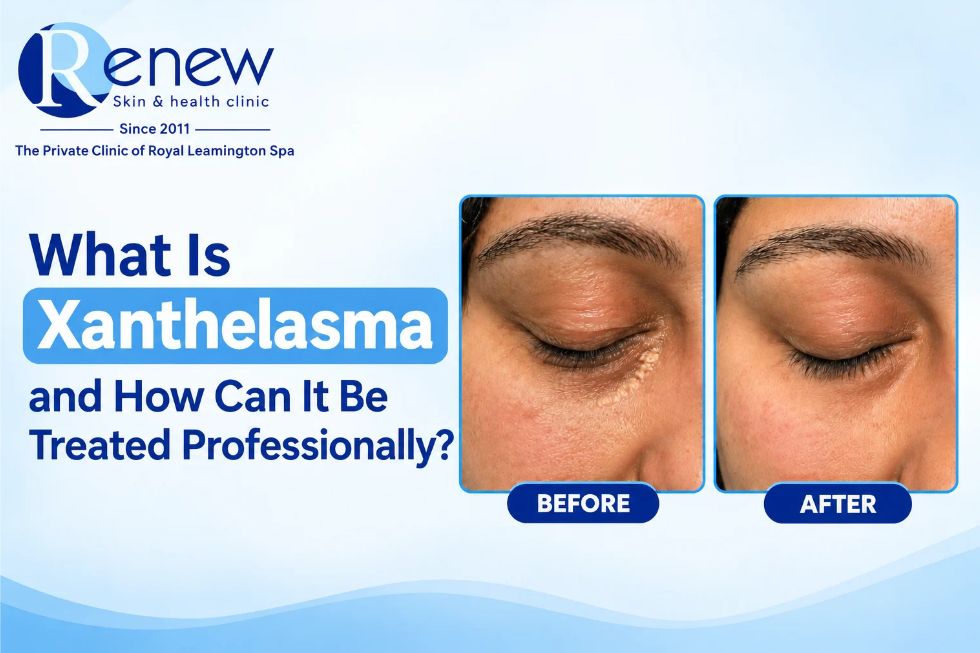
Xanthelasma is a soft, yellow colored patch found on the eyelid region. Even though they are harmless on their own, it will still be good to get them checked out as they can be an indication of either high cholesterol or high lipids in the body.
If you have noticed these flat or slightly raised marks near your eyes and are wondering what they are and what can be done about them, this guide explains the causes, the signs to look out for, and the professional xanthelasma treatment options available at Renew Skin & Health Clinic in Leamington Spa.
What Is Xanthelasma?
Xanthelasma is a common, benign skin condition that appears as soft, yellowish plaques, usually on the upper or lower eyelids, often nearest to the inner corner of the eye. The patches form when cholesterol and fatty deposits build up under the thin skin of the eyelid. They are not painful, they do not carry any risk of skin cancer, and they tend to grow slowly over months or years rather than appearing overnight.
Although xanthelasma itself is not harmful, many individuals opt for xanthelasma removal because of its visibility that can impact self-confidence especially when it affects both eyes and keeps on spreading.
What Causes Xanthelasma?
Though the exact causes of xanthelasma are unknown, there is a definite link between this condition and lipid metabolism. There are many causative factors related to this problem.
- Cholesterol and lipid levels: A significant proportion of people with xanthelasma have raised cholesterol or other lipid abnormalities, which is why it is sometimes treated as a visible marker worth discussing with a GP.
- Age: The condition is generally seen from the fourth decade of life onward, though it can occasionally appear earlier.
- Sex: Xanthelasma is seen more often in women than in men, although it can affect anyone.
- Family history: A genetic tendency toward high cholesterol or certain inherited lipid conditions can make some people more prone to developing xanthelasma.
- General health conditions: Conditions that affect how the body handles fats, such as thyroid or metabolic issues, are sometimes associated with xanthelasma, though not every case has an identifiable underlying cause.
Because of this possible link to cholesterol, our clinical team will always ask about your general health and may suggest a review with your GP alongside any cosmetic treatment you choose.
Signs and Symptoms of Xanthelasma
Xanthelasma is usually easy to recognise once you know what to look for.
- Soft, flat or slightly raised yellowish patches on the eyelid skin
- Most commonly found near the inner corner of the eye, on the upper or lower lid
- Patches that may appear on one eye or symmetrically on both
- No pain, itching or irritation in most cases
- Gradual growth over time if left untreated
If you notice any of these signs, or if a patch changes shape, colour or texture quickly, it is worth having it properly assessed to confirm the diagnosis before considering any treatment.
Xanthelasma Before and After Images
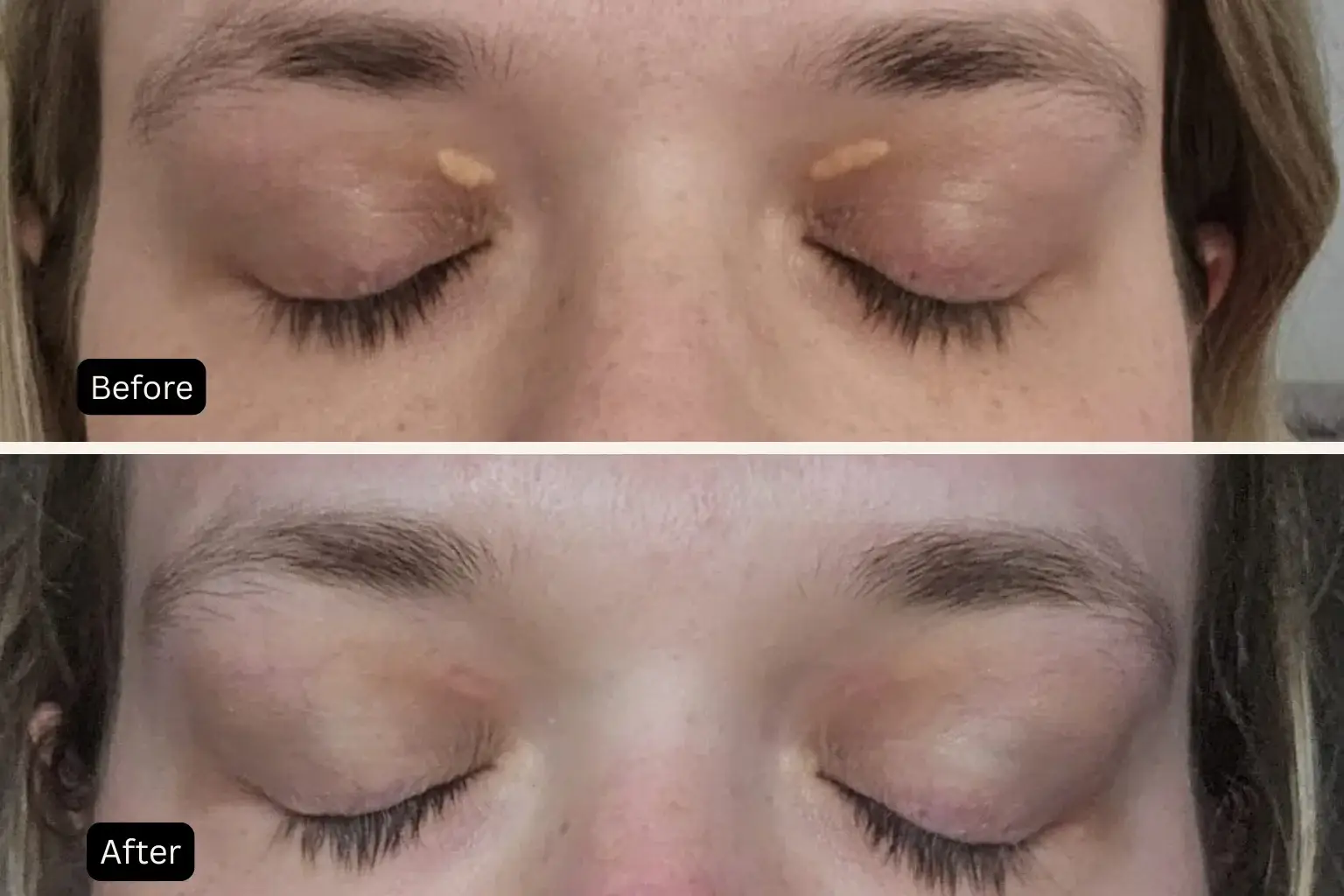
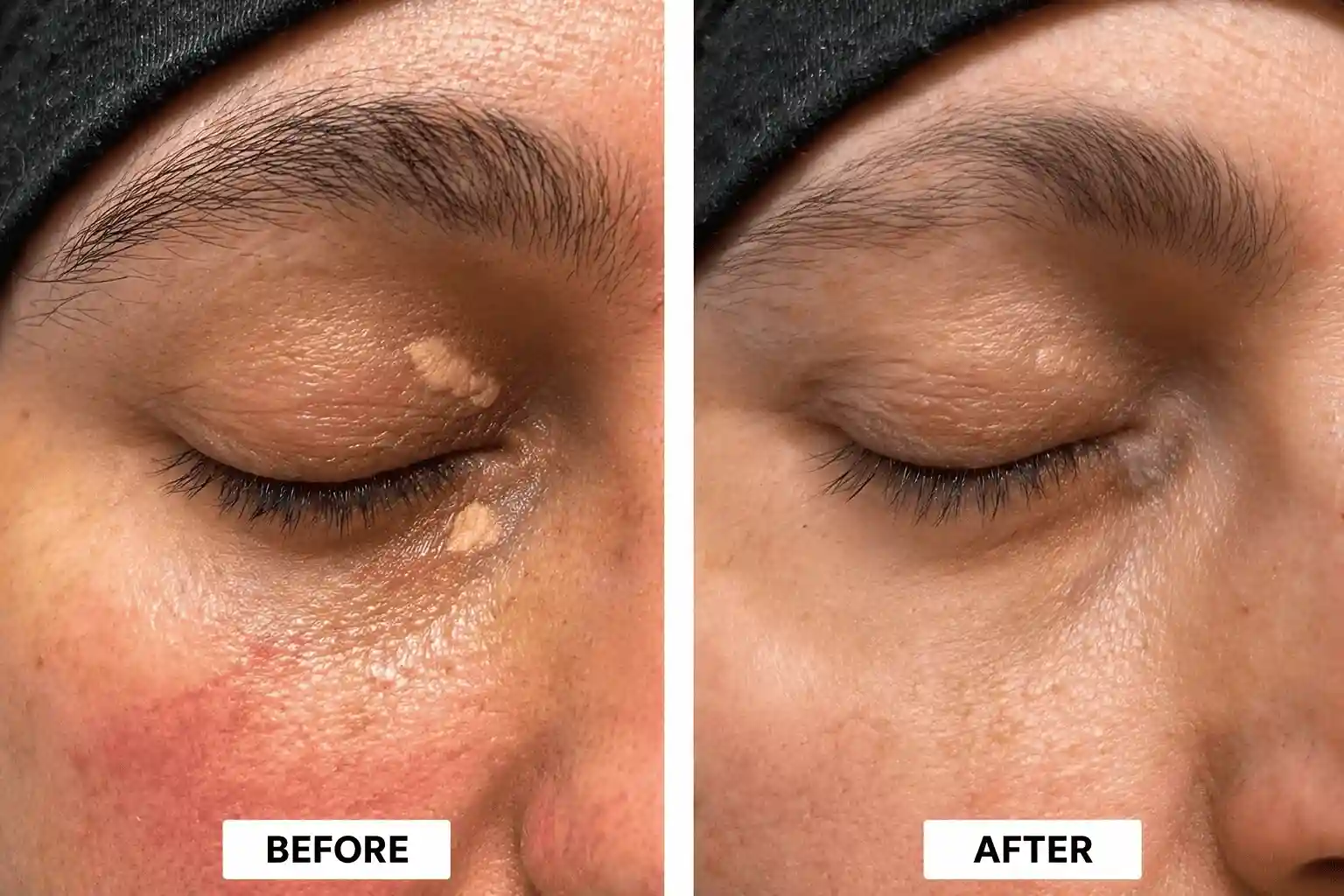
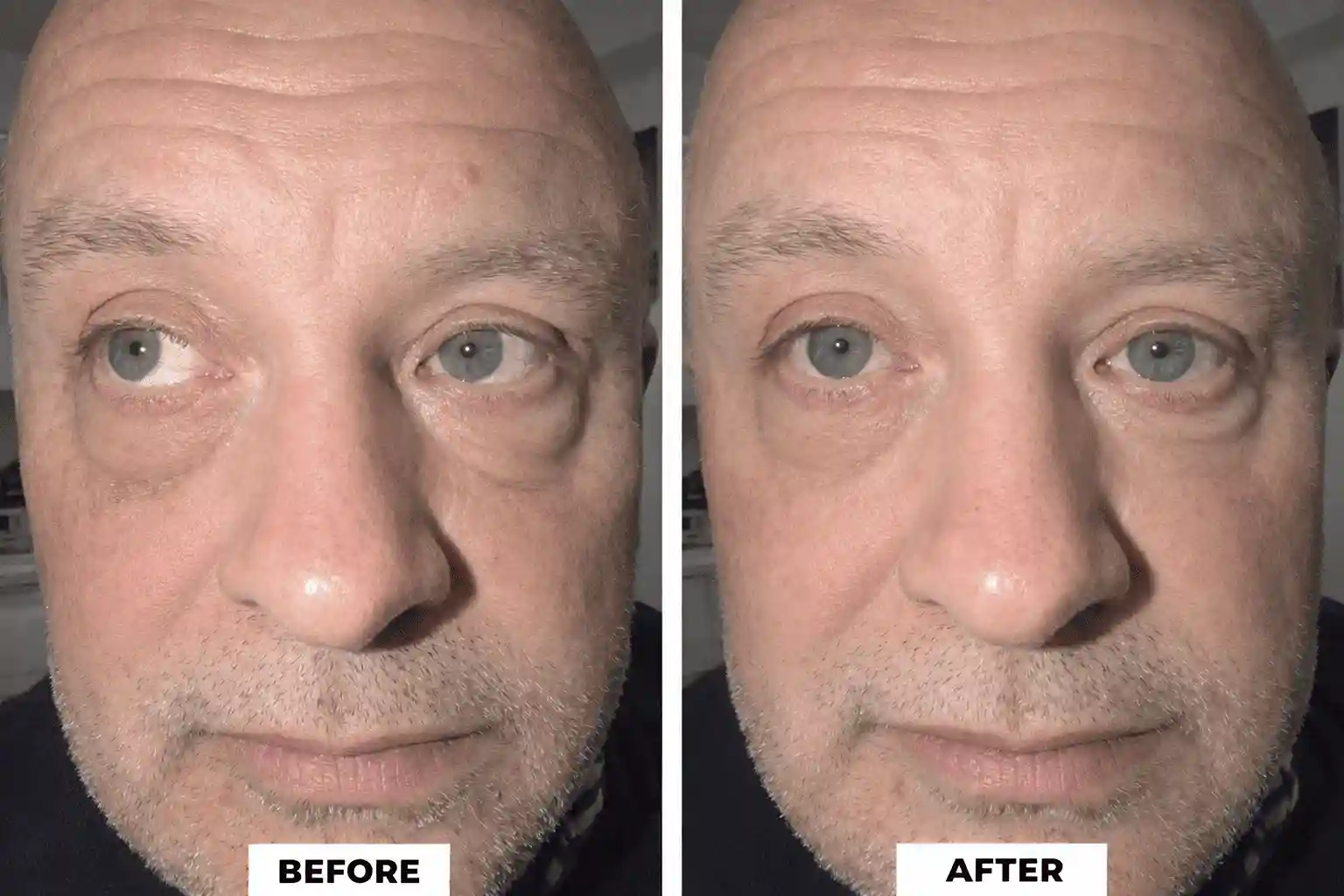
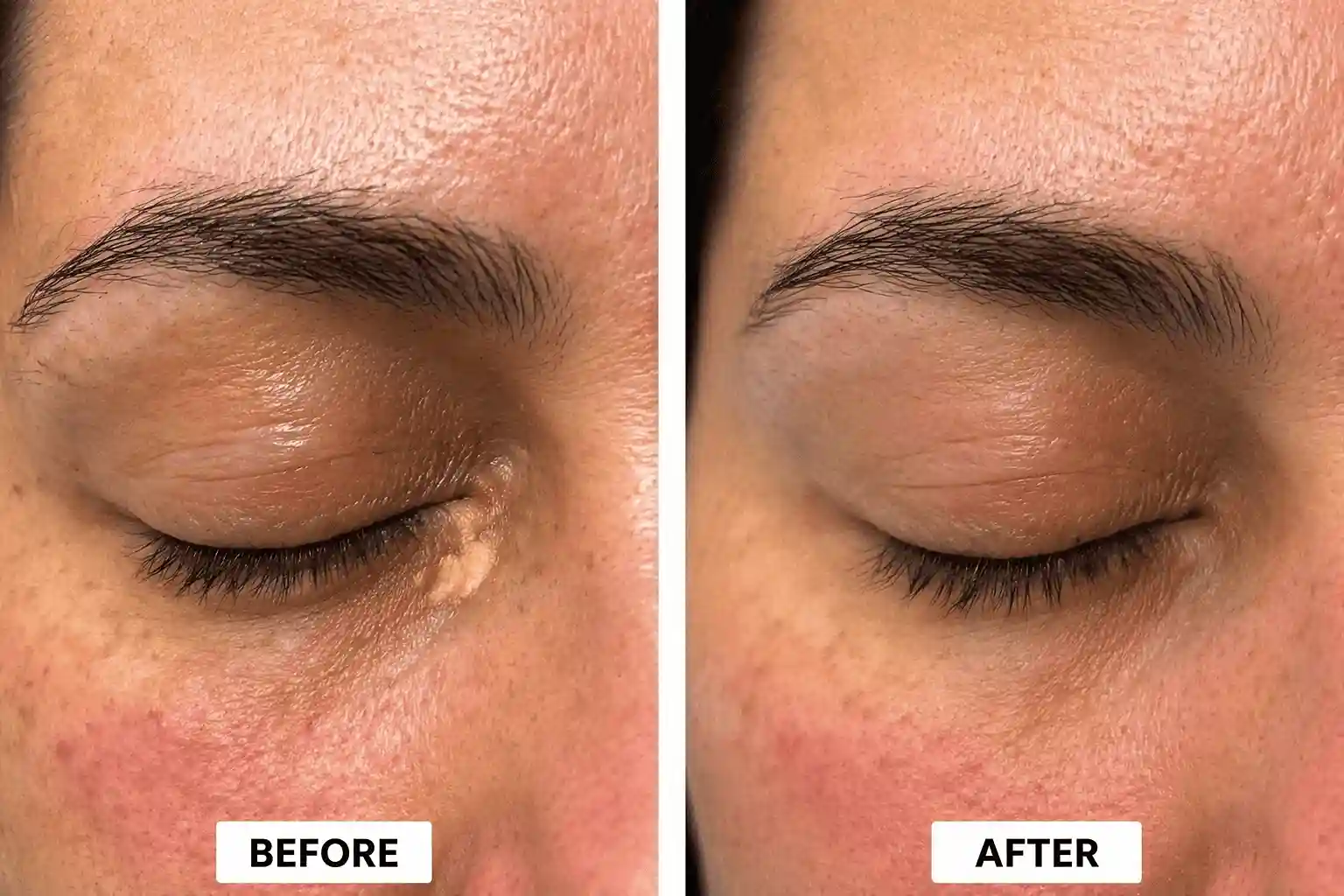
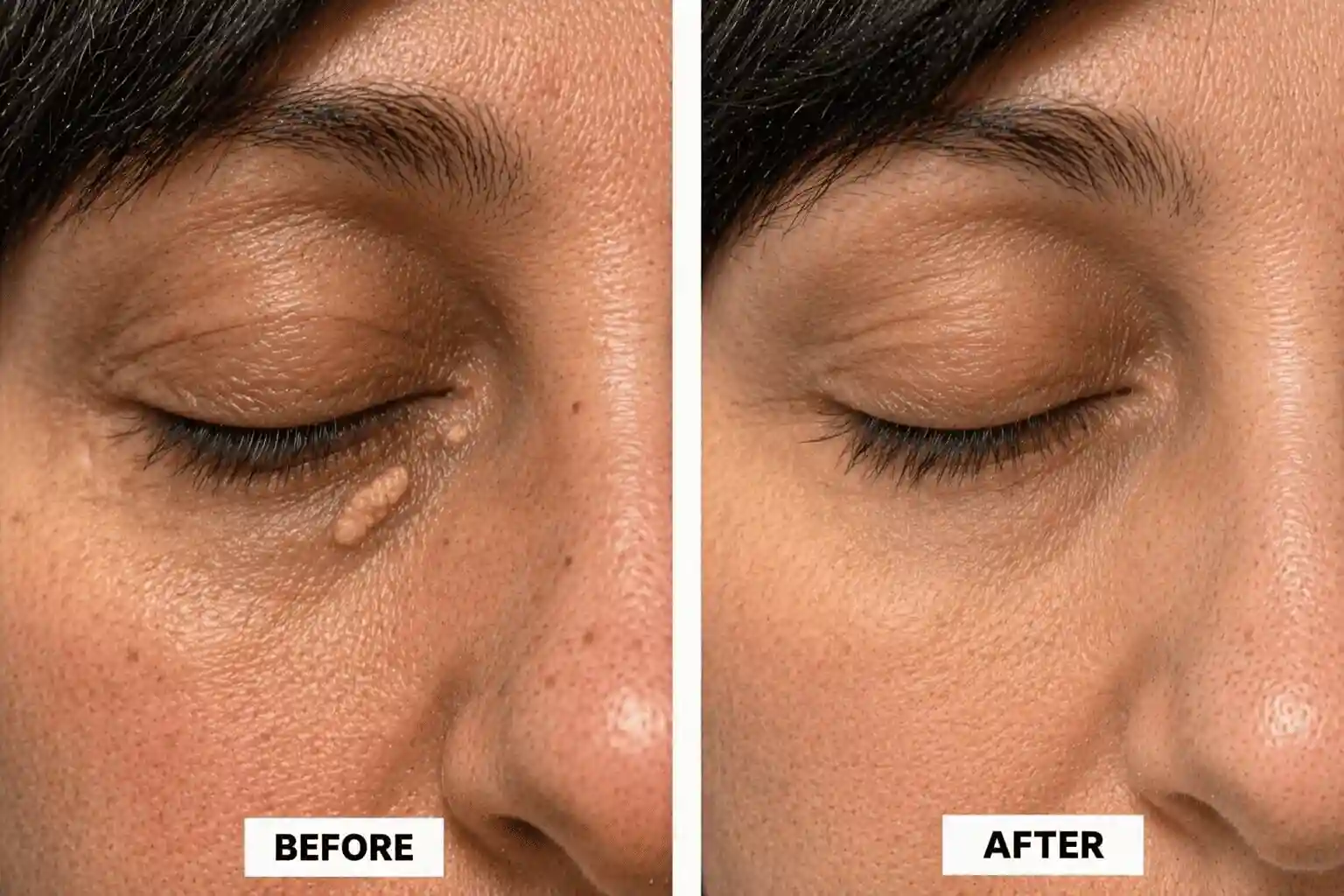
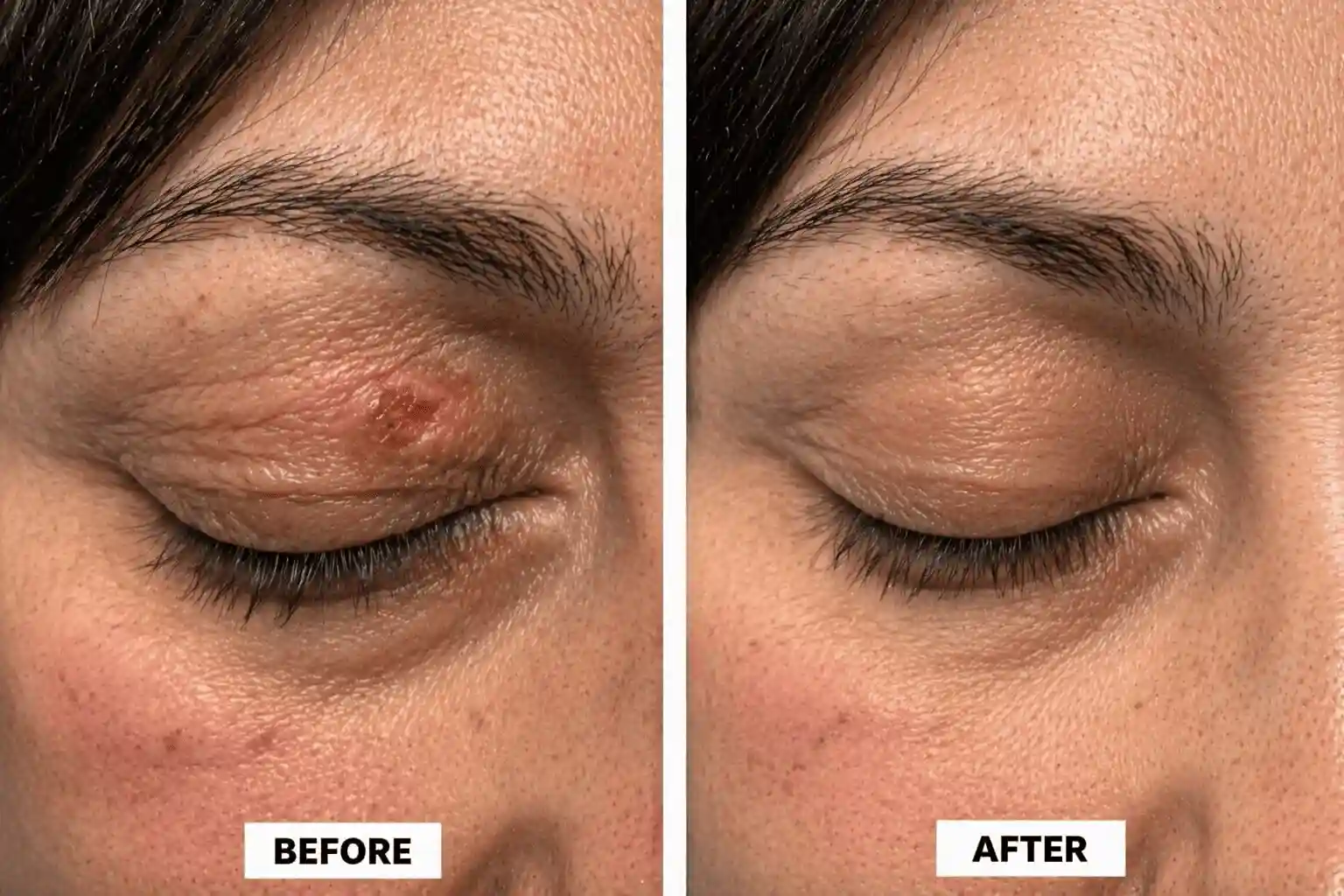
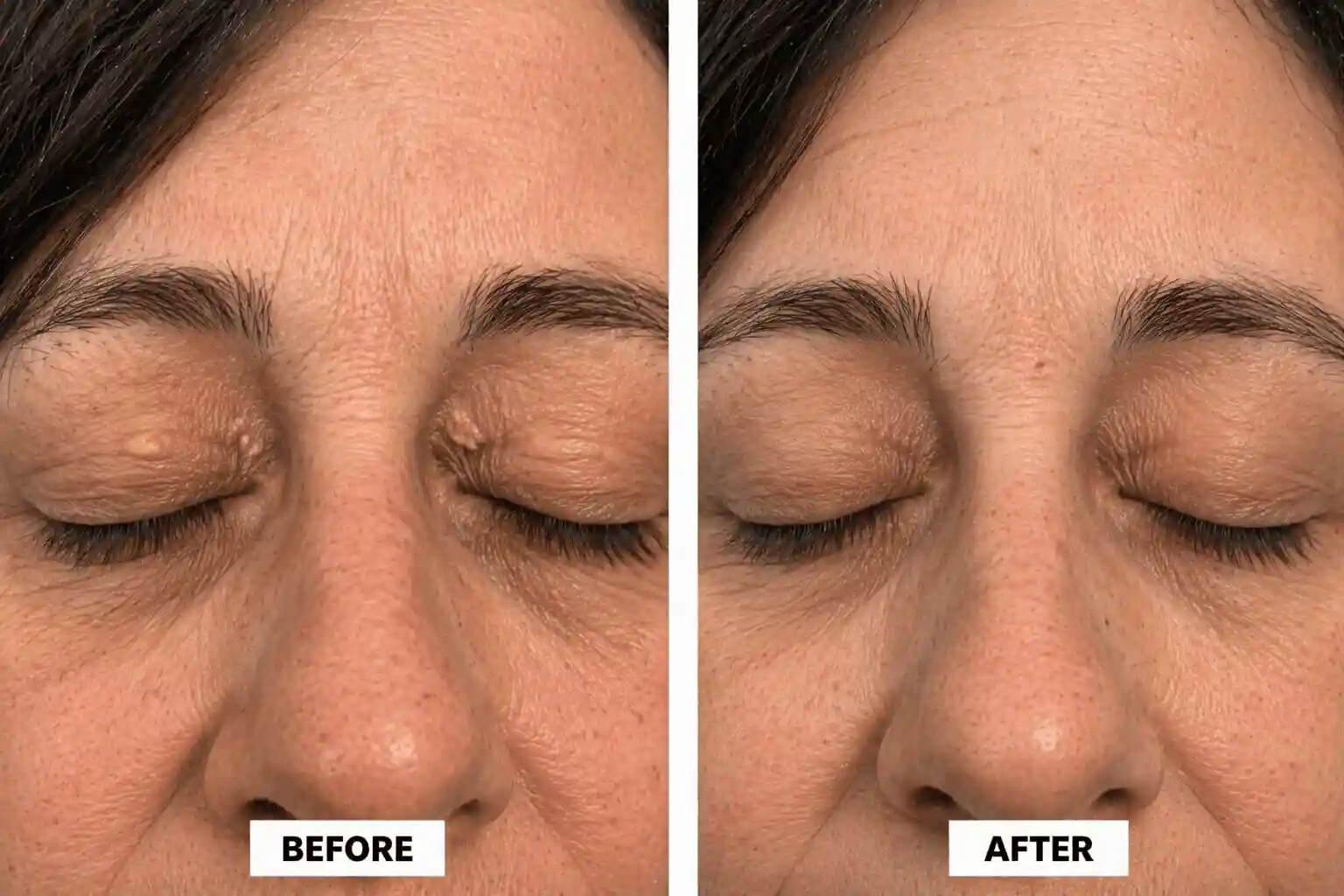
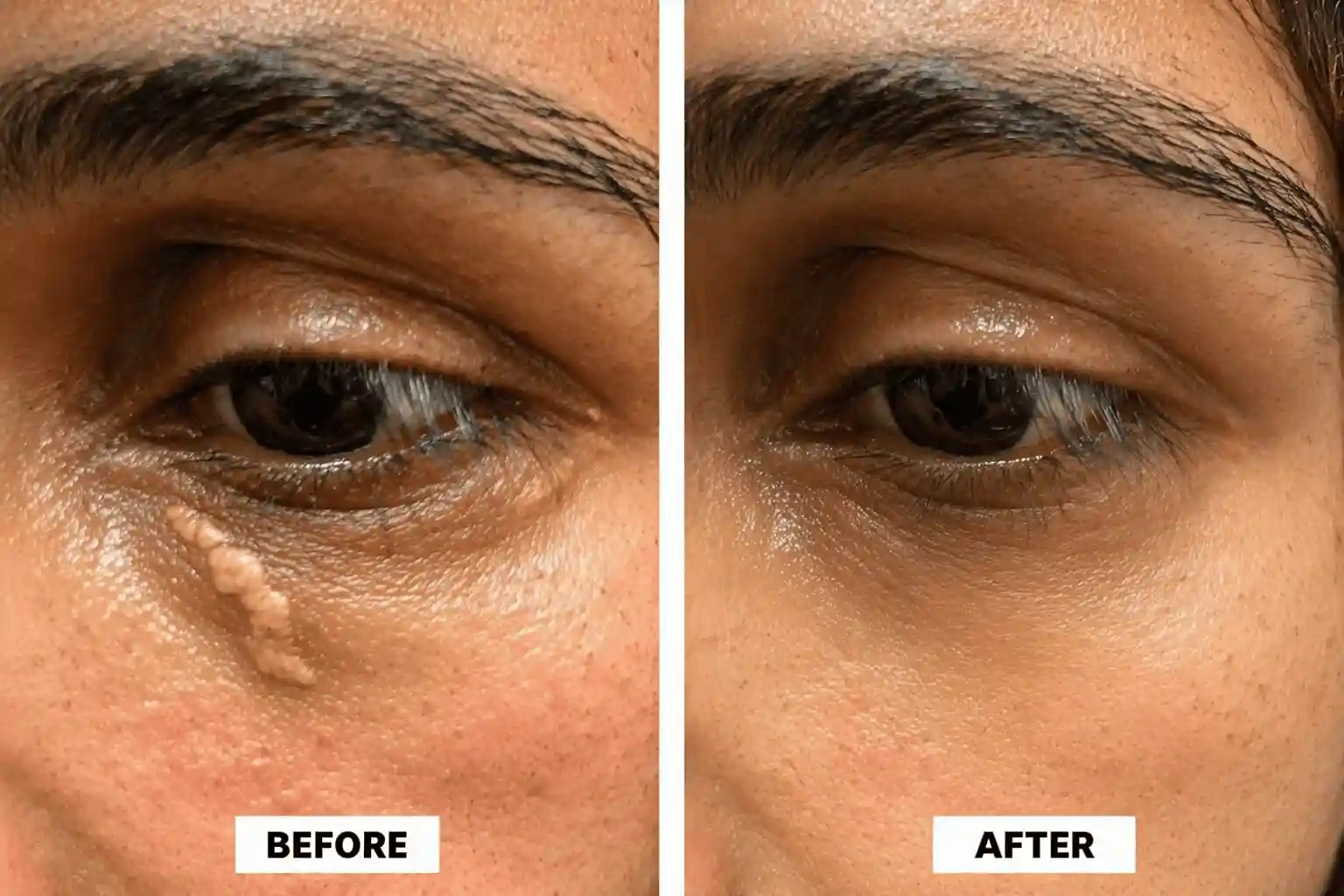
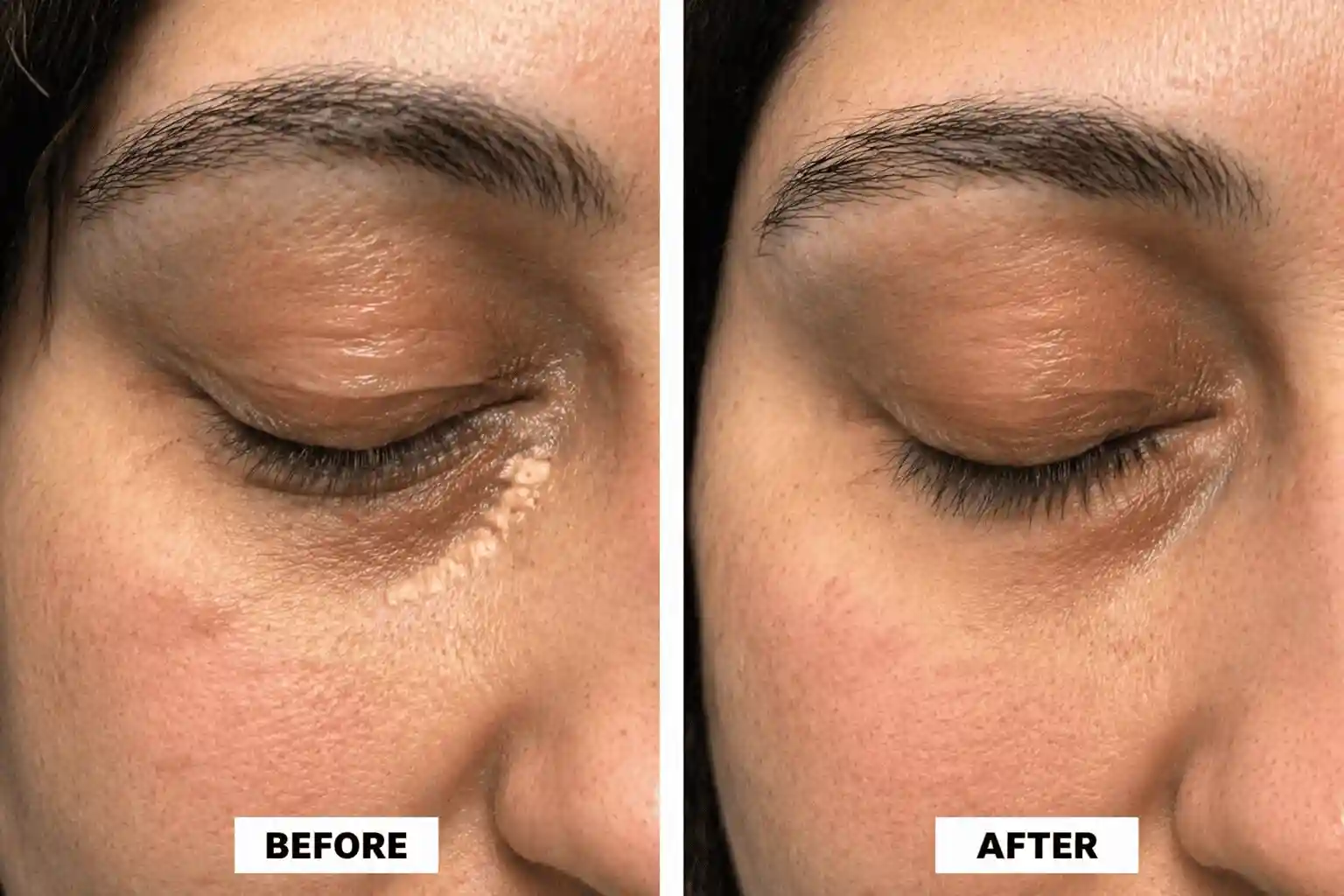
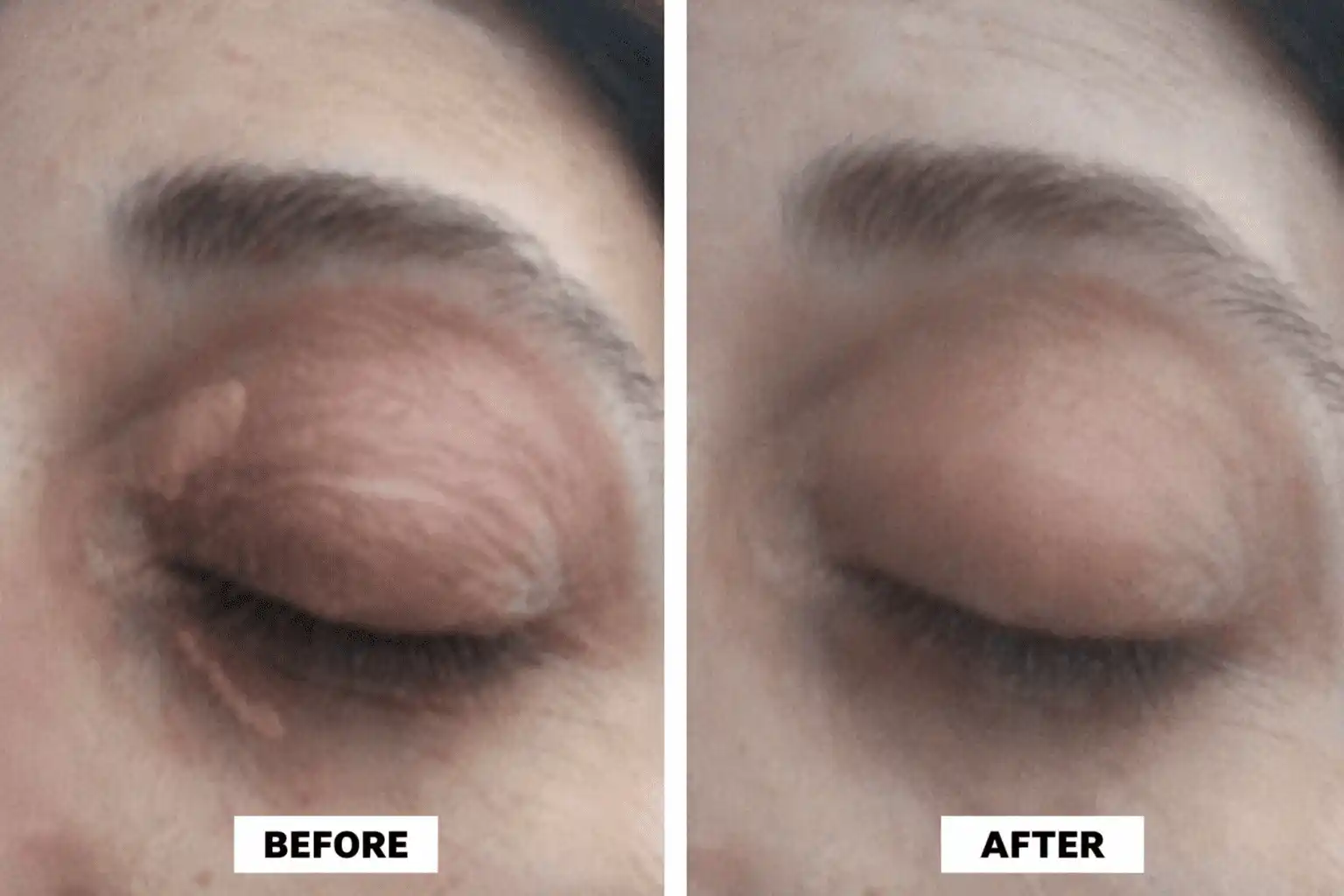
Professional Xanthelasma Treatment Options
Because xanthelasma sits just under delicate eyelid skin, professional assessment matters more here than with most other skin marks. At Renew Skin & Health Clinic, Dr Jha and the clinical team assess the size, location and type of each lesion before recommending the most suitable approach, which is always confirmed during a consultation rather than decided in advance.
- CO2 laser removal: This is generally the preferred approach for smaller lesions, precisely targeting the cholesterol deposits while preserving the delicate skin around the eyes.
- Surgical excision: For larger or deeper deposits, surgical removal may be recommended. This is carried out by the clinic’s oculoplastic surgical team, with the skin carefully repaired afterward to restore a smooth, natural looking result.
Treatment at Renew Skin & Health Clinic starts from £350, with a free consultation to assess your lesions and confirm your personalised price before anything is agreed. Because xanthelasma can return even after successful removal, particularly if cholesterol levels remain raised, your clinician will also talk through general lifestyle guidance and may suggest a cholesterol check with your GP as part of your longer term plan.
Treatment by prescription will only be offered, if clinically necessary after proper assessment. Treatment results are neither guaranteed nor consistent from person to person.
Why Professional Assessment Matters for Xanthelasma Removal?
The eyelid is one of the thinnest and most delicate areas of skin on the body, which sits very close to the eye itself. Attempting to treat xanthelasma without professional guidance carries real risks, including scarring, uneven skin texture or injury to the eye area.
A proper assessment also confirms that what you are seeing is in fact xanthelasma and not another type of skin lesion that can look similar, which is why self diagnosis from photographs is never a substitute for an in person consultation.
Is Xanthelasma Linked to Cholesterol?
Xanthelasma itself is not harmful, but it is sometimes described as a visible signal worth paying attention to. A noticeable number of people with xanthelasma also have elevated cholesterol or other lipid abnormalities, and in some cases this can be connected to a higher long term risk of cardiovascular issues. This is not true for everyone who develops xanthelasma, and having the marks does not mean you automatically have high cholesterol. However, our team will always recommend mentioning any new xanthelasma to your GP so your general cardiovascular health can be reviewed alongside your cosmetic treatment.
What to Expect at Your Xanthelasma Consultation?
Your consultation is free, and it begins with a thorough assessment of the patches, including their size, depth and how long they have been present. Your clinician will discuss your general health and any family history of cholesterol issues, explain which treatment approach is most suitable for your specific presentation, and talk through aftercare and the possibility of recurrence. You will receive a clear, personalised plan before any treatment is agreed, with pricing confirmed once your assessment is complete.
Other Skin Concerns We Treat at Renew Skin & Health Clinic
Patients visiting us for xanthelasma often ask about other visible skin marks at the same time. Alongside xanthelasma, our clinical team also provides care for:
- Small, dome shaped bumps on the face, often mistaken for other lesions, known as fibrous papule.
- A common viral skin infection causing small, pearly bumps, known as molluscum contagiosum.
- Common pigmented skin growths that patients often want assessed or removed, known as moles.
- Small, pale bumps that commonly appear on the lips or genital skin, known as fordyce spots, addressed through fordyce spots treatment.
If you are ever unsure whether a mark on your skin needs professional attention, our clinical team is happy to assess it during your consultation.
Meet Your Specialist

Dr Nawal Kishore Jha
Cosmetic Physician, GMC No. 5170447
Dr Nawal Kishore Jha is a GMC registered Cosmetic Physician, GMC number 5170447, with close to 35 years of experience in laser and aesthetic dermatology. He treats the widest range of skin lesions, vascular conditions, and blemishes of any clinician at Renew Skin and Health Clinic in Leamington Spa, using advanced laser platforms including CO2, Nd YAG, IPL, Excimer, and Pulsed Dye laser.
| Detail | Information |
|---|---|
| GMC Number | 5170447 |
| Title | Cosmetic Physician |
| Qualifications | MBBS, University of Ranchi, India (1992) |
| Experience | Close to 35 years of clinical experience |
| Laser Platforms | CO2, Nd: YAG, Pulsed Dye, IPL, Excimer and Alexandrite Laser |
| Professional Memberships | British Medical Association (BMA), Independent Doctors Forum (IDF) and Associate Member of ISHRS |
| Practises At | Renew Skin & Health Clinic, 18 Guy Street, Leamington Spa |
About Dr Nawal Kishore Jha
Dr Jha qualified with a Bachelor of Medicine and Surgery from the University of Ranchi in India in 1992 and moved to the United Kingdom in 1996. He has since worked within the NHS in various capacities while building close to 35 years of clinical experience, with a particular focus on cosmetic dermatology.
Over his career, Dr Jha has developed substantial expertise across a wide range of advanced medical lasers, including CO2 laser, Nd: YAG laser, Pulsed Dye laser, IPL, Excimer laser, and Alex laser. This breadth of laser experience allows him to treat an unusually wide range of common and uncommon skin blemishes, vascular lesions, and pigmentation conditions at Renew Skin & Health Clinic.
To keep his practice current, Dr Jha regularly attends international and national medical conferences. He is an Associate Member of the ISHRS and a current member of the British Medical Association and the Independent Doctors Forum.
Why Choose Renew Skin & Health Clinic for Xanthelasma Treatment?
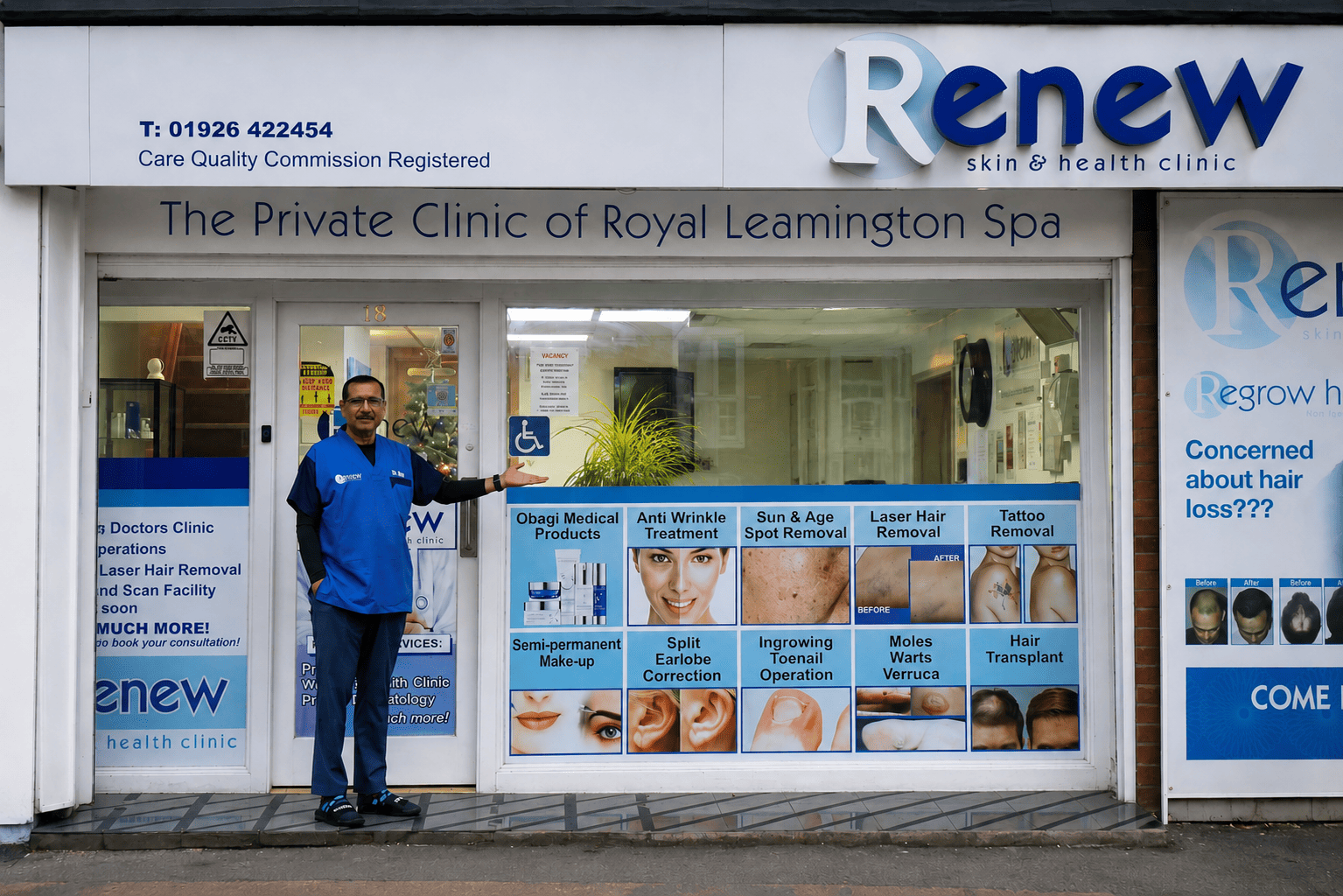
- Assessment and treatment led by an experienced, GMC registered clinical team
- A choice of treatment approaches, including CO2 laser removal and surgical excision, suited to the size and depth of your patches
- A free consultation before any treatment, so you understand your options fully
- Honest guidance on the possible link between xanthelasma and cholesterol
- 0% financing available, thus enabling you to split the cost of your treatment.
- 24/7 WhatsApp aftercare from a dedicated doctor following your procedure
- A CQC registered clinic based in Leamington Spa, easily reached from Birmingham, Coventry, Leicester, Nottingham, Oxford, Worcester, Wolverhampton, Redditch, Hereford, Solihull and Northampton
Book Your Hair Transplant Consultation
If you have noticed yellowish patches near your eyes and want a clear picture of your treatment options, our clinical team at Renew Skin & Health Clinic is here to help with a thorough, private assessment.
- Call:+44 1926 422 454
- Email:
- Address: 18 Guy Street, Leamington Spa, CV32 4RT, United Kingdom
- Whatsapp: +44 1926 422 454
Frequently Asked Questions
1. What is xanthelasma and why does it appear on the eyelids?
Xanthelasma is a non-cancerous collection of fat and cholesterol deposition characterized by soft yellowish patches that appear beneath the thin skin of the eyelids. This condition progresses slowly and is very much related to the body’s metabolism of fats.
2. Is xanthelasma dangerous?
Xanthelasma itself is harmless and carries no risk of skin cancer. However, it can sometimes be a visible sign of raised cholesterol, which is why mentioning it to your GP is worthwhile.
3. Does xanthelasma mean I have high cholesterol?
Not necessarily, but a large number of people who suffer from xanthelasma have elevated levels of cholesterol or other lipids in their blood. A health evaluation, along with cosmetic intervention, is always advisable.
4. What is the best xanthelasma treatment option?
There is no single best option for everyone. At Renew Skin & Health Clinic, CO2 laser removal is generally preferred for smaller lesions, while surgical excision is used for larger or deeper deposits. The right choice depends on the size, depth and location of your patches, which is assessed during a free consultation, with treatment starting from £350.
5. Can xanthelasma come back after removal?
Yes, it is true that xanthelasma can reappear even after the treatment, especially if there is high cholesterol. That is the reason why general health screening is also advised along with the cosmetic surgery.
6. Is xanthelasma removal painful?
Most xanthelasma treatments are well tolerated, with any discomfort kept to a minimum through appropriate numbing where needed. Your clinician will explain what to expect for the specific method chosen.
7. How long does recovery take after xanthelasma treatment?
The amount of recovery time varies depending on which procedure you choose, from those that involve little to no downtime to those where you recover quickly. This is made clear at your consultation.
8. Can xanthelasma be removed at home?
No. The eyelid skin is extremely delicate and sits close to the eye, so attempting removal without professional assessment carries a real risk of scarring or injury. Professional treatment is always recommended.
9. Who is a good candidate for xanthelasma removal?
Most adults with confirmed xanthelasma patches are suitable candidates, though your clinician will confirm this after reviewing the size, depth and location of your patches along with your general health.
10. How do I book a xanthelasma consultation at Renew Skin & Health Clinic?
You can call +44 1926 422 454, message the same number on WhatsApp, or email info@renewskinandhealthclinic.co.uk to arrange a consultation at 18 Guy Street, Leamington Spa, CV32 4RT.