
Connective Tissue Diseases: Symptoms, Causes and Treatment
Medically reviewed by Dr Ganesh Kasavkar, MBBS, MRCP, Rheumatology and General Internal Medicine (CCT), GMC Reg. No. 7436153. Last reviewed: [8 September 2026] · Next review due: [8 September 2027]
Connective tissue disease is a group of autoimmune conditions in which the immune system attacks the tissue that supports your skin, joints, muscles and organs. Because this tissue runs throughout the body, symptoms can appear almost anywhere, so early, accurate assessment matters. At Renew Skin & Health Clinic in Royal Leamington Spa, our consultant led rheumatology service is built around identifying exactly which condition is present and putting together a plan that fits the person in front of us.
What Is Connective Tissue Disease?
Connective tissue disease develops when the immune system mistakenly targets the body’s own connective tissue, causing ongoing inflammation. This can affect the skin, joints, muscles, blood vessels and organs such as the lungs, heart and kidneys. Common connective tissue disease symptoms include joint pain, skin changes, fatigue and, in some patients, involvement of the lungs or digestive system.

IMPORTANT — When to seek urgent medical attention
Please do not wait for a routine appointment if you have:
- Sudden severe breathlessness or chest pain.
- A severe headache with very high blood pressure, or a marked drop in how much urine you are passing, which can indicate a kidney emergency in scleroderma.
- A high fever, a widespread new rash, or suddenly feeling very unwell, particularly if you take medication that affects your immune system.
- New confusion, seizures, or sudden weakness affecting your face, arm or leg.
- Sudden, severe muscle weakness that makes swallowing or breathing difficult.
Seek urgent medical attention:
Contact your GP urgently, call NHS 111, or attend
your nearest A&E.
This page provides general information only and is not a substitute for individual medical advice.
Connective Tissue Disease vs Fibromyalgia: What Is the Difference?
| Feature | Fibromyalgia | Connective Tissue Disease |
|---|---|---|
| Main driver | Altered pain processing, not inflammation or organ damage. | Immune system attacking the body's own connective tissue. |
| Joint appearance | Painful but not usually swollen or inflamed. | Often visibly swollen, warm or tender. |
| Blood tests | Usually normal. | Often show markers of inflammation or specific autoantibodies. |
| Organ involvement | Not a feature. | Can affect skin, lungs, heart or kidneys depending on the condition. |
| Skin changes | Not typical. | Common in several forms, such as lupus and scleroderma. |
Connective Tissue Disease Symptoms
Patients describe symptoms in slightly different ways, but a pattern usually emerges:
- Persistent joint pain, sometimes with visible swelling
- Skin changes such as rashes, thickening or colour change in the fingers on exposure to cold
- Ongoing fatigue that does not lift with rest
- Muscle weakness, particularly when climbing stairs or lifting the arms
- Dryness of the eyes and mouth
- Breathlessness, cough or chest discomfort where the lungs or heart are affected
Because these features overlap heavily between conditions, a proper assessment by a rheumatologist matters before assuming which condition is responsible.
Request a call back
Types of Connective Tissue Disease We Assess and Manage
| Connective Tissue Disease | Common Features | Possible Involvement |
|---|---|---|
| Systemic Lupus Erythematosus (SLE) | Joint pain, skin rashes, extreme tiredness and sensitivity to sunlight. | Can affect the skin, joints and internal organs, including the kidneys, heart and lungs. |
| Sjögren's Syndrome | Persistent dryness of the eyes and mouth, with some patients also experiencing joint pain and fatigue. | Other organs may be involved in some patients. |
| Systemic Sclerosis (Scleroderma) | Skin changes, Raynaud's phenomenon and joint stiffness. | May involve the lungs, heart or digestive system. |
| Mixed Connective Tissue Disease (MCTD) | Joint pain, muscle weakness, Raynaud's phenomenon and swelling of the hands. | Features may overlap with lupus, scleroderma and myositis. |
| Undifferentiated Connective Tissue Disease (UCTD) | Joint pain, fatigue or skin changes without meeting the full criteria for a specific connective tissue disease. | Some patients may later develop a more defined connective tissue disease, while others remain stable. |
| Polymyositis and Dermatomyositis | Progressive muscle weakness. Dermatomyositis can also cause characteristic skin changes. | Primarily affects the muscles, with skin involvement in dermatomyositis. |
Systemic Lupus Erythematosus (SLE)
Lupus can affect the skin, joints and internal organs, including the kidneys, heart and lungs. Lupus symptoms often include joint pain, skin rashes, extreme tiredness and sensitivity to sunlight.
Early signs of lupus in females are particularly important to recognise, as lupus is significantly more common in women, and symptoms can be subtle at first. Signs of lupus vary between patients, but unexplained fatigue, joint stiffness and lupus and hair loss are frequently reported early on. During a lupus flare up, symptoms typically become more intense before settling again. When lupus affects the kidneys, this is known as lupus nephritis, and lupus nephritis symptoms such as swelling in the legs or changes in urine should always be assessed promptly.
Sjögren's Syndrome
Sjögren’s syndrome affects the glands responsible for producing moisture, most commonly leading to persistent dryness of the eyes and mouth. Some patients also experience joint pain, fatigue and, less commonly, involvement of other organs. A full assessment confirms the diagnosis and allows a suitable management plan to be put together.
Systemic Sclerosis (Scleroderma)
Systemic sclerosis, widely known as scleroderma, causes the body to overproduce collagen, leading to thickening and tightening of the skin and, in some cases, involvement of the lungs, heart or digestive system. Common features include skin changes, Raynaud’s phenomenon and joint stiffness. Our consultant has a particular subspecialty interest in systemic sclerosis, running dedicated scleroderma clinics alongside a combined connective tissue disease and pulmonary hypertension service for patients with more complex presentations.
Mixed Connective Tissue Disease (MCTD)
Mixed connective tissue disease describes a condition where a patient shows overlapping features of several connective tissue disorders, such as lupus, scleroderma and myositis, without fully matching any single diagnosis. Mixed connective tissue disease symptoms commonly include joint pain, muscle weakness, Raynaud’s phenomenon and swelling of the hands. Because MCTD can evolve over time, ongoing monitoring by a rheumatologist is an important part of long term care.
Undifferentiated Connective Tissue Disease (UCTD)
Undifferentiated connective tissue disease is diagnosed when a patient has some features of an autoimmune connective tissue disorder, such as joint pain, fatigue or skin changes, but does not meet the full criteria for a specific condition like lupus or scleroderma. UCTD is a genuinely common presentation in rheumatology clinics and requires careful, ongoing review, since some patients may later develop a more defined connective tissue disease, while others remain stable for many years.
Polymyositis and Dermatomyositis
Polymyositis and dermatomyositis are inflammatory conditions that primarily affect the muscles, causing progressive weakness, and in the case of dermatomyositis, characteristic skin changes as well. Dermatomyositis symptoms often include a distinctive rash on the eyelids, knuckles or chest, alongside muscle weakness that can affect everyday activities such as climbing stairs or lifting the arms. Prompt specialist assessment helps distinguish these conditions from other causes of muscle weakness.
Your Care Pathway at Renew Skin & Health Clinic

Step 1 — Initial Consultation
Your first appointment is largely a conversation. Dr Kasavkar asks about your symptoms, your wider medical history and anything that concerns you, then carries out a hands on clinical examination.
Step 2 — Investigations
Where the picture needs more detail, blood tests, scans or imaging are arranged, which can include tests for specific autoantibodies linked to particular connective tissue diseases.
Step 3 — Diagnosis and Treatment Plan
Dr Kasavkar talks you through what the results show in plain language, then discusses the treatment routes that genuinely fit your circumstances rather than a one size fits all approach.
Step 4 — Ongoing Care
Your progress is reviewed at follow up appointments, with your treatment plan adjusted as your condition changes, which matters particularly for conditions such as MCTD and UCTD that can shift in character over time.
Working with your GP. With your consent, we write to your GP after your consultation so that your wider medical care stays joined up. If you would prefer us not to, please tell us at your appointment.
Treatment Options
Depending on your condition and how it is affecting you, your plan may draw on:
- Medication management
- Joint injections, offered only where clinically appropriate following assessment
- Assessment and management of osteoporosis
- Practical lifestyle and exercise guidance
- Long term monitoring for inflammatory and autoimmune conditions
- Referral for specialist investigations where these are needed
No two patients receive an identical plan, because no two cases of connective tissue disease behave the same way. Where prescription treatment could help, your consultant explains the options in full during your consultation, and nothing is prescribed until a complete assessment has taken place. How well any individual responds varies from person to person, and we never promise a particular outcome. The aim of every plan is to manage your symptoms effectively and protect your long term health.
Meet Your Consultant Rheumatologist
Your care is led by Dr Ganesh Kasavkar, MBBS, MRCP, Rheumatology and General Internal Medicine (CCT), GMC Reg. No. 7436153, on the GMC Specialist Register for Rheumatology.

Dr Kasavkar has over 10 years’ experience in rheumatology and over 15 years in general internal medicine, and works as a full time consultant rheumatologist within the NHS. He runs a weekly connective tissue disease clinic and a monthly scleroderma clinic, is a member of a vasculitis multidisciplinary team, and has established a combined connective tissue disease and pulmonary hypertension service. His practice spans systemic sclerosis, connective tissue disease, vasculitis, rheumatoid arthritis, psoriatic arthritis, axial spondyloarthritis and osteoporosis, alongside procedures including peripheral joint injections.
Patients seeing Dr Kasavkar are involved directly in decisions about their own care, rather than being handed a plan with no explanation.
Consultation Fees
| Rheumatology Consultation | Fee |
|---|---|
| Initial rheumatology consultation | £230 |
| Follow-up consultation | £125 |
Why Choose Renew Skin & Health Clinic?
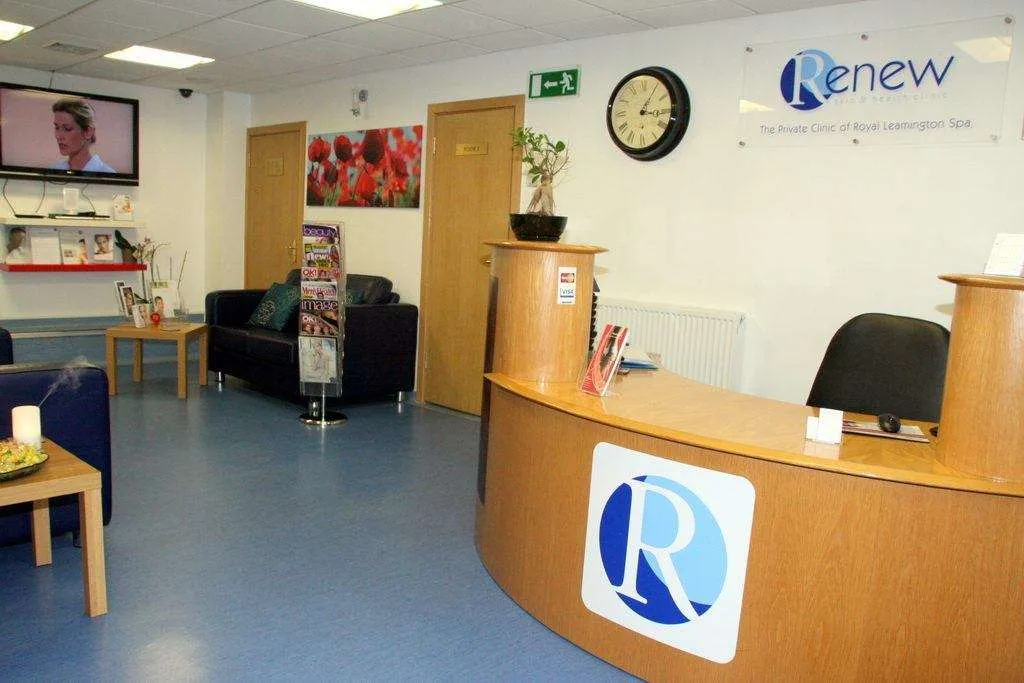
- Consultant led care. You are assessed by a consultant on the GMC Specialist Register for Rheumatology, not a generalist.
- CQC registered. Renew Skin & Health Clinic Ltd is registered with and inspected by the Care Quality Commission.
- Established locally. We have been caring for patients in Royal Leamington Spa for over 15 years.
- Time to be heard. Appointments are unhurried, questions are answered properly, and you leave knowing what happens next.
Book Your Rheumatology Consultation in Leamington Spa
Ongoing joint pain, skin changes, unexplained fatigue or any of the symptoms described above rarely improve by waiting them out. If any of this sounds familiar, contact us to arrange a consultation with our consultant rheumatologist. The earlier your condition is properly assessed, the more options are usually available to manage it well.
We see patients from across Warwickshire and the West Midlands, including Leamington Spa, Warwick, Kenilworth, Coventry, Stratford upon Avon, Rugby and Southam.
Renew Skin & Health Clinic
18 Guy Street, Royal Leamington Spa, CV32 4RT
Telephone: +44 1926 422 454 · Email:
References and Further Information
- NICE Clinical Knowledge Summaries — Systemic lupus erythematosus
- British Society for Rheumatology — Guideline for the management of systemic lupus erythematosus
- NHS — Lupus
- LUPUS UK — patient information and support
- Scleroderma & Raynaud’s UK (SRUK) — patient information and support
- Myositis UK — patient information and support
This page is for general information and does not replace personalised medical advice. Renew Skin & Health Clinic Ltd is registered with the Care Quality Commission. Company No. 07359901.
Frequently Asked Questions (FAQs)
1. What is connective tissue disease, in simple terms?
It is a group of autoimmune conditions in which the immune system attacks the body’s own connective tissue, causing inflammation in the skin, joints, muscles or internal organs. Your consultant works out which condition applies to you before recommending a plan.
2. Which connective tissue disease symptoms should prompt a visit to a specialist?
Joint pain, skin changes, persistent fatigue and, in some patients, breathlessness or chest symptoms are worth having assessed, particularly once they have persisted for more than a couple of weeks. Sudden severe symptoms, such as severe breathlessness or confusion, need urgent, same-day medical attention.
3. What are the early signs of lupus in females?
Joint pain, unexplained fatigue, skin rashes that worsen with sun exposure, and hair thinning are commonly reported early signs of lupus in females. Because lupus is significantly more common in women, our consultant pays close attention to these presentations during assessment.
4. What does a lupus flare up feel like?
During a lupus flare up, symptoms such as joint pain, skin rashes and fatigue typically become noticeably more intense before settling again. Recognising a flare early allows your consultant to review your care plan promptly.
5. What are lupus nephritis symptoms and why do they matter?
Lupus nephritis symptoms can include swelling in the legs or around the eyes, changes in urine, and raised blood pressure, reflecting kidney involvement in lupus. Because kidney involvement can become serious quickly, prompt specialist review is always recommended.
6. Can lupus cause hair loss?
Yes. Lupus and hair loss are commonly linked, with some patients experiencing thinning hair or hair loss around the hairline during periods of active disease. This is one of several symptoms considered during a lupus assessment.
7. What is mixed connective tissue disease (MCTD)?
Mixed connective tissue disease is a condition involving overlapping features of several connective tissue disorders, such as lupus, scleroderma and myositis. Mixed connective tissue disease symptoms often include joint pain, muscle weakness and Raynaud’s phenomenon.
8. What is undifferentiated connective tissue disease (UCTD)?
Undifferentiated connective tissue disease describes a presentation where a patient has some features of an autoimmune connective tissue disorder without meeting the full criteria for a specific diagnosis. Ongoing monitoring helps identify whether the condition remains stable or develops into a more defined disease over time.
9. What are dermatomyositis symptoms?
Dermatomyositis symptoms typically include progressive muscle weakness alongside a distinctive skin rash, often affecting the eyelids, knuckles or chest. Early specialist assessment helps distinguish dermatomyositis from other causes of muscle weakness.
10.Do I need a GP referral?
A GP referral is helpful but not essential. If you have recent blood tests, scans or letters, please bring them to your appointment.
11. What happens after my first appointment?
You move through a clear process: consultation, investigations if needed, a diagnosis and treatment plan discussion, then ongoing follow-up. Depending on your condition, the plan may include medication management, joint injections where appropriate, lifestyle guidance or long-term monitoring.