

Searching for hair transplant before and after photos is one of the most common ways people begin researching hair restoration. Pictures can be genuinely useful, but they only tell part of the story. Lighting, camera angle, hair styling, and the stage at which a photo was taken can all make results look better or worse than they really are. This guide explains what realistic hair transplant results actually look like, how long the process takes, and how to read before and after photos the way a specialist would, whether a hair transplant is your first step or part of a wider Hair Loss Treatment plan.
If you are based in or around Warwickshire and are considering treatment, this guide also explains what to expect from a hair transplant clinic in Leamington Spa and how a proper hair transplant consultation helps set realistic expectations from day one, so your hair transplant results match what was discussed beforehand.
What Does a Realistic Hair Transplant Before and After Timeline Look Like?


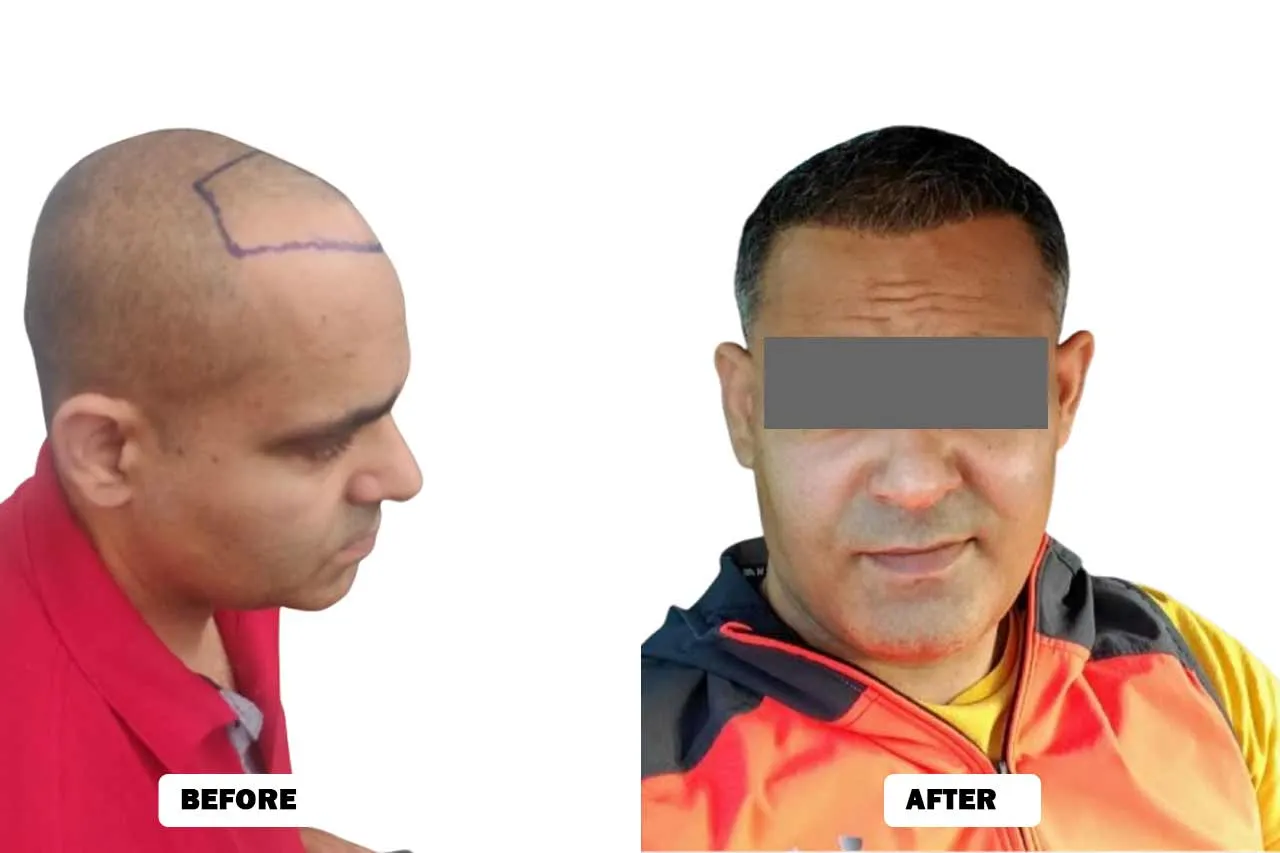

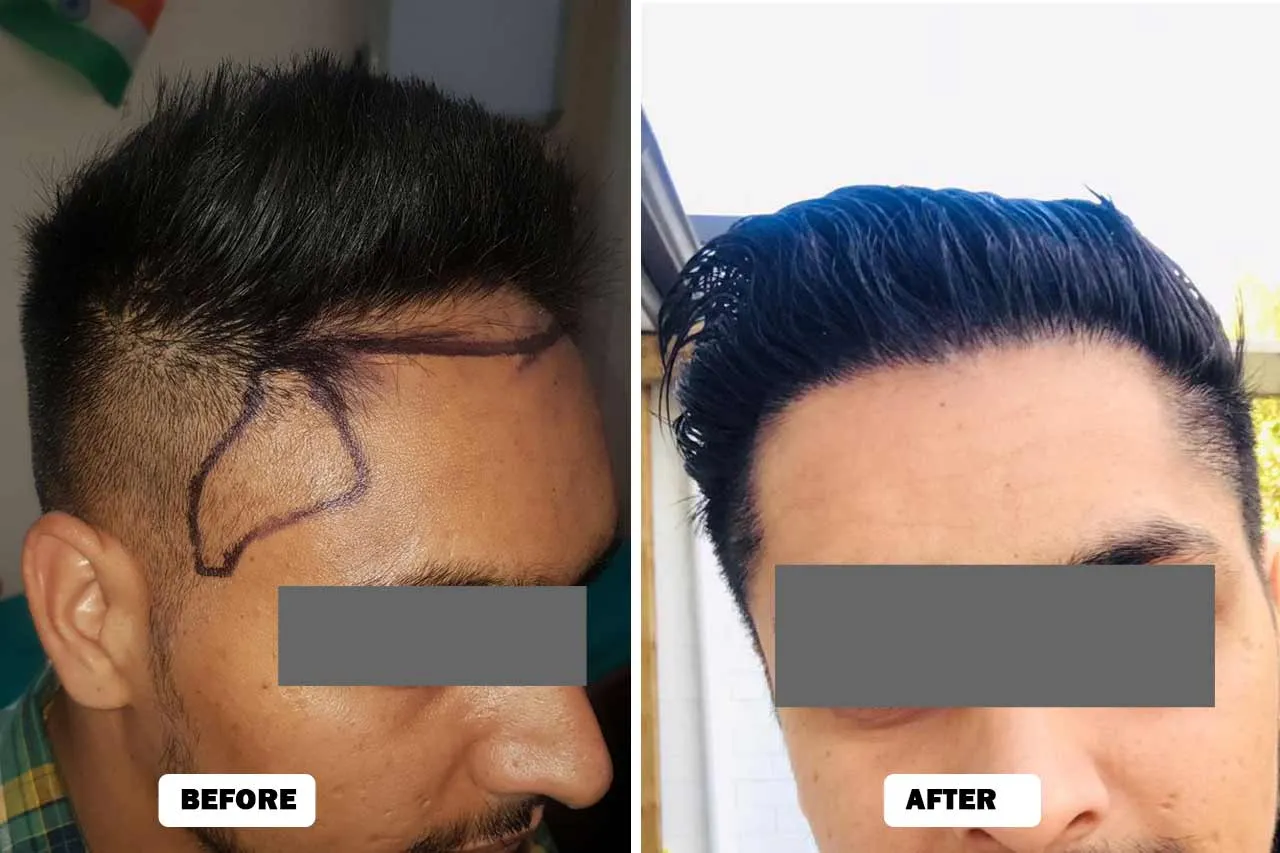
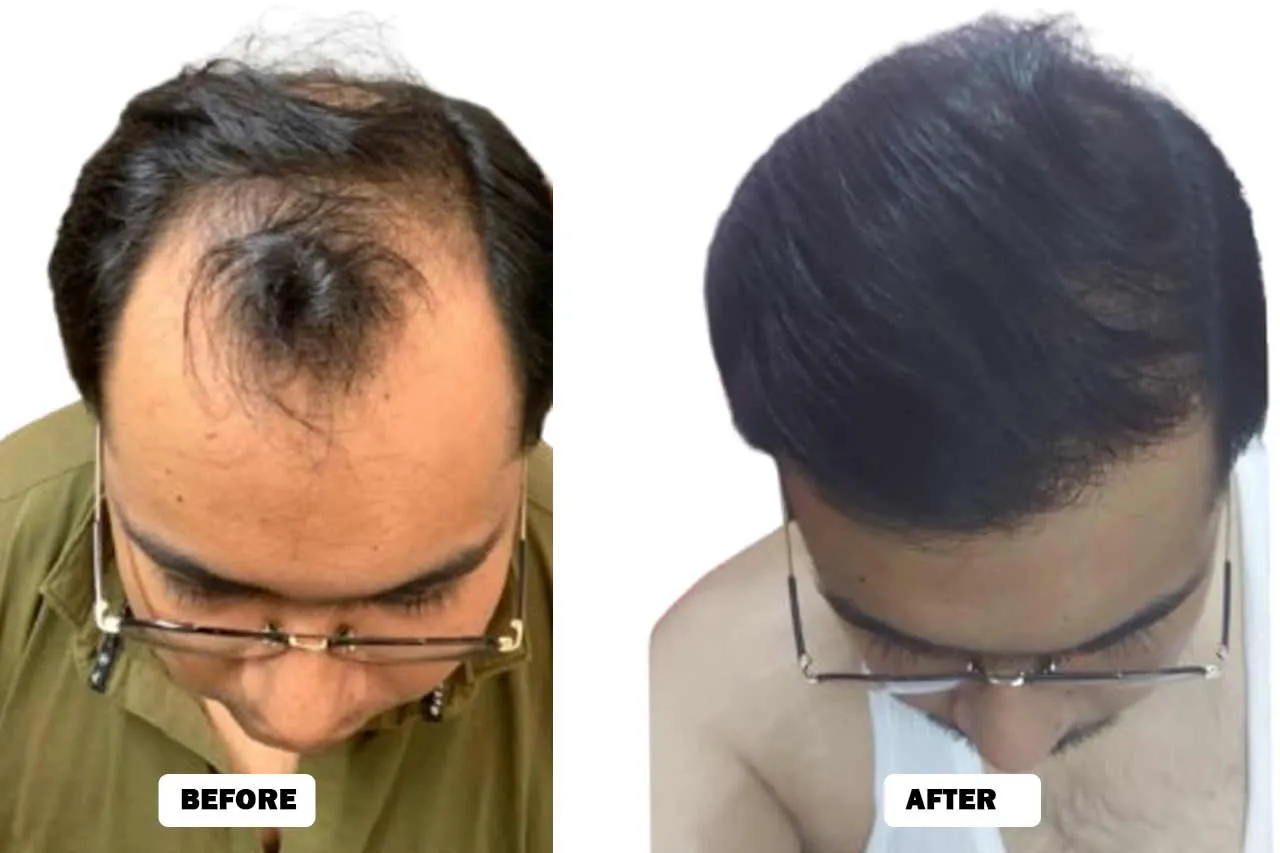
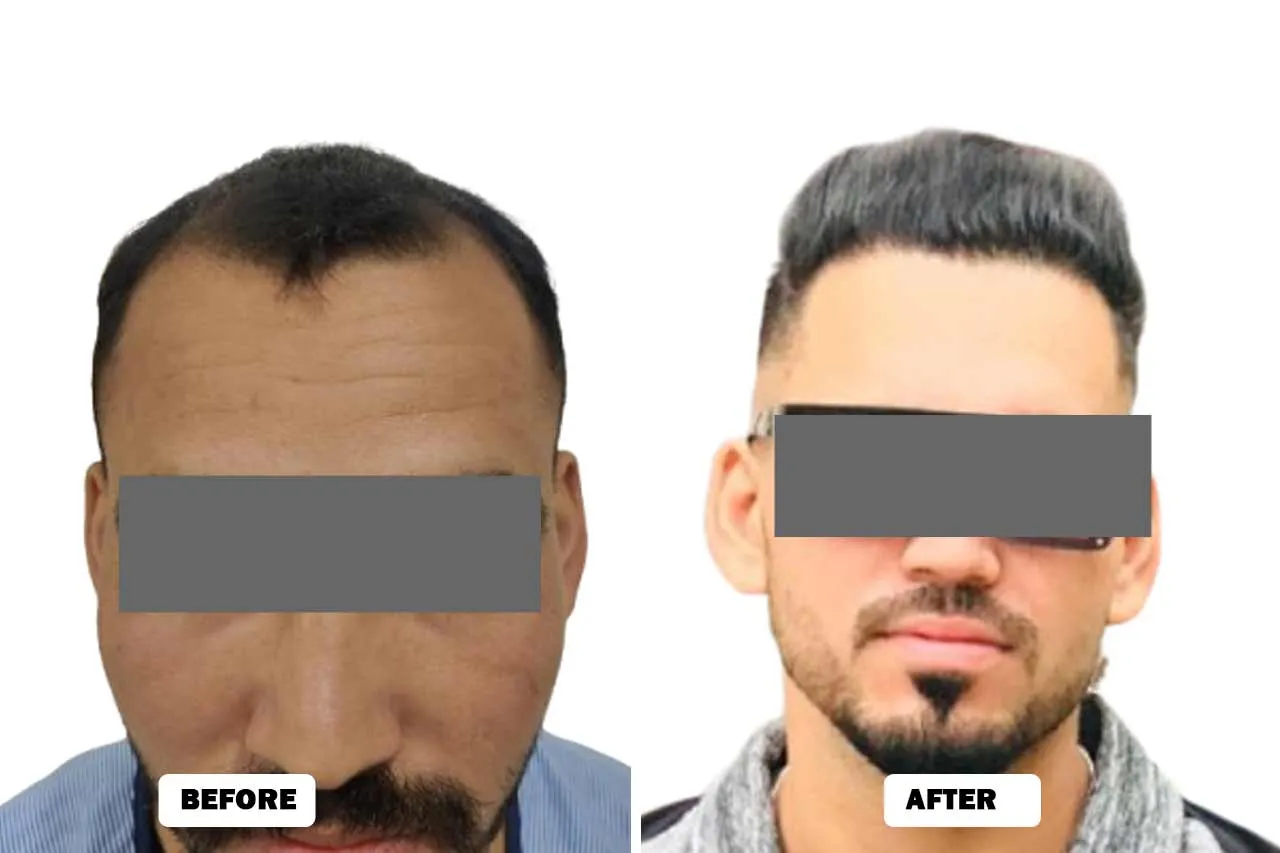
One of the most common misconceptions about hair transplant surgery is that results appear quickly. In reality, hair follicles need time to settle, rest, and then begin a new growth cycle. Most patients reach their full, final result somewhere between 9 and 12 months after the procedure, with visible progress building up gradually along the way.
A typical hair transplant results timeline looks like this:
| Timeline | What to Expect |
|---|---|
| First Three Weeks | Shock Loss: New hair that has been transplanted may experience shock loss. It can be worrying to see the hair falling out, but this is a normal response from the body and should be expected during this stage. |
| Months 3 to 4 | Regrowth Phase: New hair begins growing from beneath the surface of the scalp where the hair transplant was performed. Hair growth is usually sparse at this point, so noticeable density may still be limited. |
| Month 6 | Visible Density: By around six months, most patients begin to notice a clear improvement in hair density and coverage compared with their pre-treatment photographs. |
| Months 9 to 12 | Complete Maturation: This is when hair thickness, quality and styling density will normally become more established. This is why meaningful before and after comparisons should be assessed at around 12 months. |
Understanding this timeline is important context before comparing any hair transplant before and after photos you find online, since a 4 month result and a 12 month result from the same clinic can look dramatically different.
Typical Graft Ranges by Treatment Area
The amount of grafts needed to achieve a natural look is determined by the treatment area, hair loss extent, and the density of the donor site of the patient. To give an indication:
| Treatment Area | Graft Requirement |
|---|---|
| Hair recession at hairline and temples | Usually takes anywhere from 1,500 to 3,000 grafts to reconstruct the front hairline and temples. |
| Crown or vertex area | Typically needs a higher graft count, often in the region of 2,000 to 3,500 grafts, because the natural swirling growth pattern at the crown requires greater density to look convincing. |
| Full scalp coverage | More advanced cases may require 4,000 to 5,000 grafts or more, depending heavily on how much healthy donor hair is available. |
These figures are general guidance only. The exact graft count suitable for you can only be determined during an in person hair transplant consultation, where your scalp, hair loss pattern, and donor area are properly assessed.
FUE Hair Transplant: What It Involves
FUE hair transplant (Follicular Unit Extraction) is currently one of the most widely used hair transplant surgery techniques. Individual hair follicles are extracted one at a time from a donor area, typically the back or sides of the scalp, and then carefully implanted into the thinning or balding area. FUE does not involve taking out a piece of skin from the scalp. This results in minimal scars that are scattered, but not one linear scar; that is the reason why most patients choose FUE for their hair transplants.
Is a Hair Transplant Permanent?
This is one of the most frequently asked questions by anyone comparing hair transplant before and after results. Hair follicles that are successfully transplanted are usually taken from a donor area that is genetically resistant to the hormonal process responsible for pattern hair loss. Because of this, transplanted hair in that area is generally expected to continue growing for the long term, in the same way the donor hair would have grown naturally.
It is important to understand that a hair transplant restores hair in the treated area but does not necessarily stop hair loss continuing in other, untreated parts of the scalp over time. This is why many patients also explore ongoing care options as part of their broader hair loss management, which your specialist can discuss in detail during your consultation. As with any surgical or medical procedure, individual outcomes vary from patient to patient and cannot be guaranteed.
How to Evaluate Hair Transplant Before and After Photos
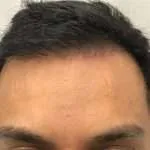
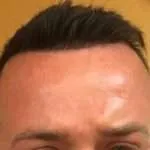
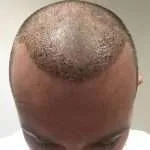
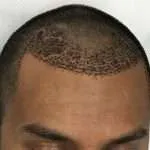
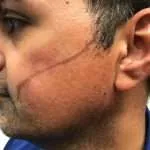
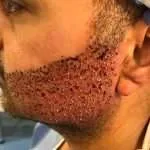
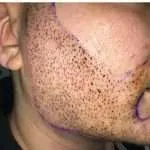
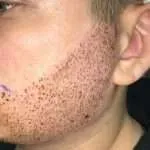
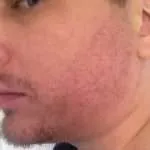
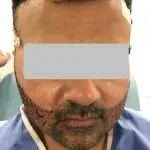
Not all before and after galleries are equally trustworthy. Before relying on any set of photos to judge a hair transplant clinic, it is worth checking for the following:
- Consistent lighting and angle. Genuine comparisons use the same lighting, camera angle, and hair condition (dry and unstyled) in both the before and after photos.
- Clear timestamps. Reputable results will state whether the “after” photo was taken at 6 months, 9 months, or the full 12 month mark, since results at these stages can look very different.
- Donor area visibility. A trustworthy gallery will also show the donor area’s recovery, not just the front hairline or crown, since this reflects the overall skill and care taken during the procedure.
- Natural hairline design. Look for a hairline that follows a natural, slightly irregular pattern rather than a straight, unnaturally dense line.
Proper hair transplant consultation would be the most effective method for seeing the relevant and proven examples, as well as understanding the response of your own hair type and donor density.
Hair Transplant Aftercare
Hair transplant aftercare plays a significant role in how smoothly the healing process goes and how the final result develops. General aftercare guidance typically includes:
- Following the specific washing and scalp care instructions provided by your clinic in the days following the procedure
- Avoiding direct sun exposure, swimming, and strenuous exercise for the period advised by your specialist
- Sleeping in the recommended position to protect the treated area during early healing
- Attending any scheduled follow up appointments so your specialist can monitor healing and growth
- Reaching out to your clinical team promptly if you notice anything unexpected during recovery
At Renew Skin & Health Clinic, dedicated aftercare support from the clinical team is available following procedures, giving patients confidence throughout the healing journey rather than being left to manage recovery alone.
What Happens During a Hair Transplant Consultation?
A thorough hair transplant consultation is the foundation of a realistic, well planned result. During your consultation at Renew Skin & Health Clinic, you can expect your specialist to:
- Assess your scalp, hair loss pattern, and donor area in detail
- Discuss your medical history and any relevant lifestyle factors
- Explain which approach, including FUE hair transplant technique, may be suitable for your individual case
- Set realistic expectations around timeline, density, and natural looking design
- Provide a clear, transparent hair transplant cost estimate based on your specific treatment plan
Because every patient’s hair loss pattern and donor density are different, costs vary considerably from person to person. A personalised hair transplant cost estimate is only given after a full assessment, since graft number is the main factor that determines overall pricing.
Meet Your Specialist
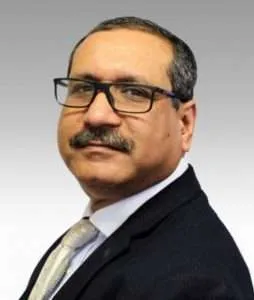
Dr Nawal Kishore Jha
Cosmetic Physician, GMC No. 5170447
Dr Nawal Kishore Jha is a GMC registered Cosmetic Physician with close to 35 years of experience in laser and aesthetic dermatology. He treats the widest range of skin lesions, vascular conditions, and blemishes of any clinician at Renew Skin & Health Clinic in Leamington Spa, using advanced laser platforms including CO2, Nd: YAG, IPL, Excimer, and Pulsed Dye laser.
| Field | Detail |
|---|---|
| GMC Number | 5170447 |
| Title | Cosmetic Physician |
| Qualifications | MBBS, University of Ranchi, India (1992) |
| Experience | Close to 35 years of clinical experience |
| Laser Platforms | CO2, Nd: YAG, Pulsed Dye, IPL, Excimer and Alexandrite Laser |
| Professional Memberships | British Medical Association (BMA), Independent Doctors Forum (IDF) and Associate Member of ISHRS |
| Practises At | Renew Skin & Health Clinic, 18 Guy Street, Leamington Spa |
About Dr Nawal Kishore Jha
Dr Jha qualified with a Bachelor of Medicine and Surgery from the University of Ranchi in India in 1992 and moved to the United Kingdom in 1996. He has since worked within the NHS in various capacities while building close to 35 years of clinical experience, with a particular focus on cosmetic dermatology.
Over his career, Dr Jha has developed substantial expertise across a wide range of advanced medical lasers, including CO2 laser, Nd: YAG laser, Pulsed Dye laser, IPL, Excimer laser, and Alex laser. This breadth of laser experience allows him to treat an unusually wide range of common and uncommon skin blemishes, vascular lesions, and pigmentation conditions at Renew Skin & Health Clinic.
To keep his practice current, Dr Jha regularly attends international and national medical conferences. He is an Associate Member of the ISHRS and a current member of the British Medical Association and the Independent Doctors Forum.
Comprehensive Care Beyond Hair Transplants
Renew Skin & Health Clinic is a CQC registered clinic that provides a wide array of other treatments apart from hair restoration treatments. The patients who opt for facial hair restoration are often curious about the Moustache Transplant and Beard Transplant treatment procedure as well, since they involve the same meticulous hair transplant procedure as that for hair loss.
Patients who visit our hair transplant clinic also commonly ask about related treatments, including laser hair removal for unwanted hair elsewhere on the body, and dermatological concerns such as small keloid scars, fibrous papule, port wine stain treatment, and molluscum contagiosum.
Our clinical team also supports patients with joint and musculoskeletal conditions through our dedicated rheumatology service. If you are experiencing persistent joint symptoms alongside any skin concerns, it is worth booking a rheumatologist appointment to have both areas properly assessed under one roof.
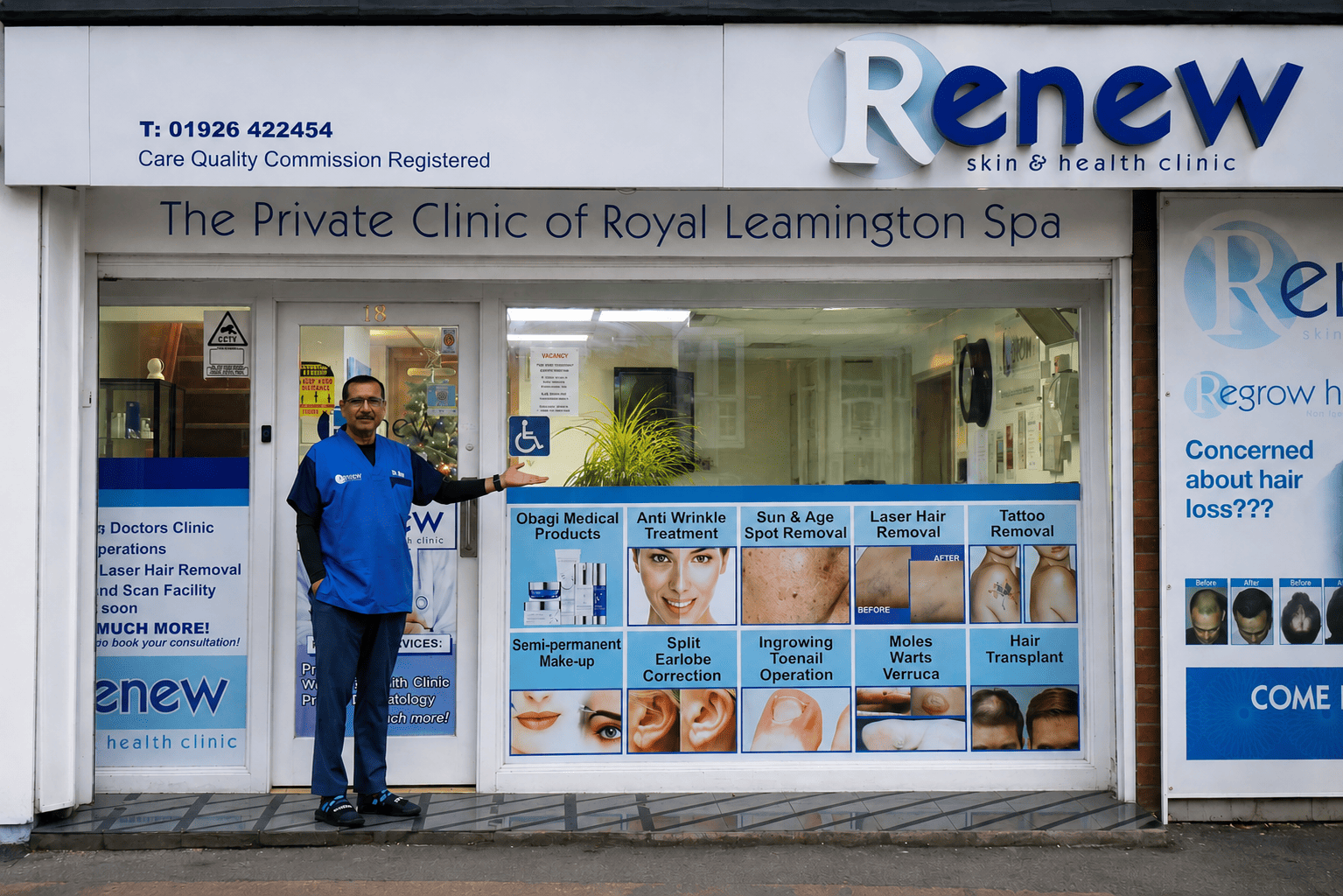
Why Choose Renew Skin & Health Clinic as Your Hair Transplant Clinic?
| Key Benefit | Detail |
|---|---|
| Experienced Cosmetic Physician | Treatment overseen by Dr Nawal Kishore Jha, GMC registered Cosmetic Physician with close to 35 years of clinical experience |
| CQC Registered Clinic | CQC registered clinic based in Leamington Spa, easily accessible as a hair transplant near me option for patients across Warwick, Coventry, Birmingham, Rugby and Banbury |
| Honest Consultations | Consultations where you get all the facts up front, not the unrealistic expectations created by misleading marketing elsewhere. |
| Transparent Pricing | Transparent, personalised hair transplant cost estimates provided only after a full clinical assessment |
| Dedicated Aftercare | Dedicated aftercare support from the clinical team throughout your recovery |
Book Your Hair Transplant Consultation
If you are comparing hair transplant before and after results online and would like to understand what a realistic outcome could look like for your own hair loss pattern, the next step is a proper, in person consultation.
- Call:+44 1926 422 454
- Email:
- Address: 18 Guy Street, Leamington Spa, CV32 4RT, United Kingdom
- Whatsapp: +44 1926 422 454
Frequently Asked Questions
1. How long does it take to see full hair transplant results?
The ultimate and mature outcome is achieved within the period of 9 to 12 months post surgery. Shedding of hair in the early stages is common and after that, regrowth begins slowly and becomes visible around six months time.
2. Is a hair transplant permanent?
The transplanted follicles will usually be taken from an area that does not fall prey to pattern hair loss, and therefore the hair growth in the treated area will normally be expected to be permanent. But hair loss can still occur in other non treated areas.
3. What is an FUE hair transplant?
The name of this hair transplant is FUE, which means Follicular Unit Extraction. In this process, hair follicles are taken from one site on the head and transplanted onto another site, usually with no scars left behind, except for some scattered ones.
4. How many grafts will I need?
This will depend on the regions to be worked on and the density of the donor hair. In a rough estimate, hairline transplant usually requires between 1,500 and 3,000 grafts, crown repair usually requires between 2,000 and 3,500 grafts, and full head transplant usually requires between 4,000 and 5,000 grafts or even more.
5. How can I tell if before and after photos are genuine?
Look out for consistent light source and angle, a clear indication of the time frame for the after photograph, healed donor site and natural and uneven hairline as opposed to an artificial and uniform hairline.
6. What does hair transplant aftercare involve?
The aftercare will involve adhering to certain washing instructions, avoiding sun exposure and physical activity for some time after the process, sleeping in a prescribed way, and visiting follow up visits where your specialist will check on the healing process.
7. How much does a hair transplant cost?
Cost of hair transplant surgery is decided by the number of grafts needed, which again is dependent on the size of the area to be operated on and the amount of donor hair available. A personal estimate is always done after an in depth consultation.
8. Do you offer a hair transplant clinic near me in the Midlands?
Renew Skin & Health Clinic is based in Leamington Spa and is easily accessible from Warwick, Coventry, Birmingham, Rugby, Banbury and the wider Midlands region for patients searching for a hair transplant clinic near me.
9. What happens during a hair transplant consultation?
Your doctor will examine your head during your consultation to see how suitable you are for a hair transplant, along with other aspects such as your medical history and the best approach for your condition.
10. Does Renew Skin & Health Clinic treat anything other than hair loss?
Yes. Alongside hair restoration, the clinic also provides laser hair removal, treatment for skin concerns such as small keloid scars, fibrous papule and port wine stain, and a dedicated rheumatology service for joint and musculoskeletal conditions.
11. Do you also offer beard and moustache transplants?
Yes. Renew Skin & Health Clinic offers both beard transplant and moustache transplant procedures for patients wanting to restore or fill in facial hair, using the same follicular extraction and implantation approach used for scalp hair transplants.