
Epidermal Nevus
HOME / Epidermal Nevus
What Is an Epidermal Nevus?
An epidermal nevus is a benign overgrowth of the upper layer of the skin called the epidermis, hence its name. It presents as a patch, nodule, or plaque that may appear on one or both sides of the body. Epidermal nevi are estimated to occur in 1 to 3 in every 1,000 people. In approximately half of patients, the nevus is present at birth, while in others it typically develops during the first year of life.
Approximately one third of people with epidermal nevi also have a condition affecting other organ systems, known as epidermal nevus syndrome (ENS). This systemic association makes accurate diagnosis and specialist assessment particularly important.
Verified Patient Reviews ⭐⭐⭐⭐⭐| Epidermal Nevus


Client Interview Videos
Causes of Epidermal Nevus
The underlying epidermal nevus causes are genetic in nature. The condition arises from a somatic mosaic mutation a genetic change that occurs in a single cell early in foetal development, which then multiplies as the embryo grows. Because the mutation affects only some cells rather than all of them, the resulting skin overgrowth follows a pattern known as Blaschko’s lines, which represent the migration tracks of skin cells during embryonic development.
Unlike some hereditary skin conditions, epidermal nevus is generally not directly inherited from parent to child in the conventional sense. The abnormal gene change arises spontaneously in most cases, though the specific genes involved can vary which is one of the reasons why there are several distinct types of epidermal nevi. The most common genetic mutations involved affect keratinocyte development, producing the characteristic thickened, roughened skin surface seen in keratinocytic epidermal nevi.
Some patients are born with a congenital nevus meaning the skin change is visible from birth while others develop the nevus in early infancy. Both presentations are caused by the same underlying mechanism and are considered equally benign in the absence of systemic features.
Types of Epidermal Nevi
Correctly identifying the type of epidermal nevus a patient has is important because different types respond differently to treatment. The major types of epidermal nevi are classified primarily on the basis of which cell type within the epidermis has undergone abnormal proliferation.
| Type of Epidermal Nevus | Clinical Features & Notes |
|---|---|
| Linear Epidermal Naevus | Most common type presenting as a linear, warty, skin coloured or pigmented streak following Blaschko’s lines. Treatment commonly includes laser vaporisation or shave excision. Recurrence can occur after treatment. |
| Epidermolytic Epidermal Nevus | Associated with keratin gene mutations. The skin surface may appear fragile and blistering can sometimes develop. Specialist assessment is recommended before treatment planning. |
| Acantholytic Epidermal Nevus | Rare subtype that may clinically resemble Hailey Hailey disease or Darier disease. Accurate diagnosis is important to ensure appropriate management and differentiation from similar skin conditions. |
| Linear Porokeratosis | Uncommon form involving abnormal keratinisation in a linear distribution. Regular monitoring may be advised due to the small risk of malignant transformation. |
| Sebaceous Naevus | Involves sebaceous glands rather than keratinocytes. Typically appears as a yellowish hairless plaque on the scalp. Preventive removal may sometimes be considered because of long term tumour risk. |
| Systematised Epidermal Nevi | Extensive involvement affecting large areas on both sides of the body. More commonly associated with epidermal nevus syndrome and possible systemic involvement. |
Clinical appearance and treatment approach can vary depending on the type, size, location, and extent of the epidermal nevus. Specialist dermatological assessment is recommended for accurate diagnosis and personalised treatment planning.
Do Epidermal Nevi Require Treatment?
Most epidermal nevi do not cause any serious medical problems and remain largely unchanged throughout adulthood. The primary difficulty they cause is cosmetic, particularly when they develop on areas of the skin that are routinely visible, such as the face, neck, or hands. In such cases, patients may reasonably seek treatment for aesthetic or psychological reasons.
It is important to note that treatment is not always medically necessary. However, a clinical assessment by an experienced specialist is advisable in all cases to confirm the diagnosis, establish the type of epidermal nevus, and discuss the most appropriate management approach. This is especially important where the nevus appears on a joint surface, is extensive, or has changed in appearance.
🩺 Dr. Jha's Clinical Note on Epidermal Nevus Treatment
After close to 35 years of specialist experience in cosmetic dermatology, Dr. Jha offers the following clinical perspective on the treatment of epidermal nevi:
"Recurrence following treatment of an epidermal nevus is very high, regardless of the method chosen including laser vaporisation, shave excision, or other approaches. This occurs because the abnormal genetic signal responsible for producing the nevus remains within the underlying skin cells even after the visible surface lesion has been removed."
"My recommendation to every patient is that we discuss recurrence openly and honestly during the consultation before any procedure begins. Managing expectations is equally as important as the technical quality of treatment itself. Many patients achieve the best long term outcome and highest satisfaction through a carefully planned staged treatment approach combined with realistic expectations."
Cosmetic Physician | GMC No. 5170447
Treatment Options for Epidermal Nevus Removal
The treatment options for epidermal nevus can be divided into medical therapies and surgical or laser procedures. As Dr. Jha notes above, recurrence is a consistent challenge across all treatment methods. The goal of treatment is therefore to achieve the best possible cosmetic outcome while setting realistic expectations about the possibility of recurrence.
Medical Treatment
Medical nevus treatments include the topical or oral use of corticosteroids and vitamin A derivatives (retinoids). These can reduce the thickness and surface texture of the lesion to some degree in some patients. However, the effectiveness of medical therapy for epidermal nevi is generally modest, and results are rarely durable once treatment is discontinued. Medical treatment is most useful in cases where surgical intervention is not appropriate or desired.
Laser Treatment
Epidermal nevus laser treatment using carbon dioxide (CO2) lasers is one of the most widely used and well evidenced surgical approaches. Nevus removal laser procedures vaporise the abnormal epidermal cells with precision, allowing healthy skin to regenerate from below. CO2 laser treatment has been shown to be particularly effective for smaller and thinner lesions and carries a lower risk of scarring compared to more invasive excisional techniques. Dr. Jha has extensive experience with CO2 laser, Nd Yag laser, and other advanced laser platforms used in the treatment of epidermal skin conditions.
Surgical Excision (Shave Excision)
Shave excision involves carefully peeling away the raised, abnormal epidermal lesion under local anaesthesia. This is a fast and reliable method for small to medium sized lesions and is performed by an experienced cosmetic physician. Skin nevus removal by shave excision produces results that are visible immediately and carries minimal downtime for most patients. It is important to understand that neither laser treatment nor shave excision eliminates the underlying genetic cause of the epidermal nevus which is why recurrence, though variable in timing, remains a significant possibility with both approaches.
Complications of Treatment
Regardless of the treatment of epidermal nevi chosen, patients should be aware of the following potential complications:
- Recurrence of the epidermal nevus the most common outcome, as highlighted by Dr. Jha above
- Pigmentary changes in the treated area, which may include hypopigmentation (lightening) or hyperpigmentation (darkening) of the skin
- Delayed healing and the risk of joint contracture if the epidermal nevus involves a joint surface this is particularly relevant for lesions on the small joints of the hands and feet
- Scarring, though this is minimised by the choice of technique and the experience of the treating clinician
Epidermal Nevus Treatment Cost and Free Consultation
Epidermal naevi can vary significantly in size, depth, extent, and pattern. For this reason, there is no fixed treatment price. Each case requires an individual clinical assessment before an accurate quotation can be provided.
📋 How Our Pricing Works
We offer a FREE initial consultation, during which Dr. Jha will:
- Assess the type, size, location, and depth of your epidermal nevus
- Discuss the most appropriate treatment approach for your specific presentation
- Provide a transparent and personalised cost estimate with no obligation to proceed
- Explain the recurrence risk honestly and in detail so you can make a fully informed decision
Finance may be available for eligible patients, allowing the cost of treatment to be spread over time.
To book your free consultation, call or WhatsApp:
+44 1926 422 454
Epidermal Nevus Treatment in Leamington Spa
Renew Skin and Health Clinic is based in Leamington Spa, Warwickshire, and provides specialist assessment and epidermal nevus removal for patients from Coventry, Birmingham, Warwick, Rugby, Stratford upon Avon, and across the wider Midlands region. All consultations are conducted by Dr. Jha in a private, discreet clinical setting.
If you are unsure whether your skin condition is an epidermal nevus, our team can help with an accurate clinical diagnosis. We treat a wide range of skin blemishes and epidermal conditions — please visit our dermatology centre or view our full range of skin treatments for more information.
Meet Your Specialist
All epidermal nevus assessments and removal procedures at Renew Skin and Health Clinic are conducted by Dr. Nawal Kishore Jha.
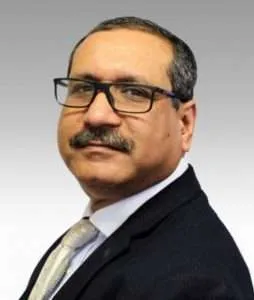
Dr Nawal Kishore Jha
Cosmetic Physician (GMC reference number: 5170447)
Dr. Jha is a GMC registered Cosmetic Physician with close to 35 years of specialist experience in cosmetic dermatology and the laser and surgical treatment of skin conditions. He is well established and widely recognised in the UK for his expertise in the treatment of skin blemishes, epidermal conditions, and uncommon dermatological presentations.
Dr. Jha graduated with a Bachelor of Medicine and Surgery (MBBS) from the University of Ranchi, India, in 1992 and moved to the United Kingdom in 1996. He has extensive NHS experience and has since dedicated his practice to private cosmetic dermatology, with a particular focus on laser based skin treatments.
He has developed specialist expertise across a wide range of advanced laser platforms including CO2 laser, Nd Yag laser, Pulsed Dye laser, IPL, Excimer laser, and Alex laser skills that are directly relevant to the laser vaporisation treatment of epidermal nevi. Dr. Jha regularly attends international and national conferences to remain at the forefront of clinical developments in his field.
He is a member of the British Medical Association (BMA), the Independent Doctors Forum (IDF), and an Associate Member of the International Society of Hair Restoration Surgery (ISHRS). To learn more, please visit his specialist profile
Why Choose Renew Skin and Health Clinic for Epidermal Nevus Treatment?

• Dr. Nawal Kishore Jha GMC registered (GMC No. 5170447), close to 35 years of specialist experience in cosmetic dermatology and laser skin treatment
• Advanced laser technology including CO2, Nd Yag, Pulsed Dye, IPL, Excimer and Alex laser platforms for precise, minimally invasive treatment
• Honest, transparent consultation Dr. Jha discusses recurrence risk clearly before any procedure is recommended
• CQC registered private clinic in Leamington Spa with a discreet, patient focused environment
• Free initial consultation with a personalised cost estimate provided before any commitment is made
• Finance options may be available for eligible patients
• 24/7 aftercare support following all procedures
Book Your Free Epidermal Nevus Consultation
If you are concerned about an epidermal nevus and would like an expert assessment, Renew Skin and Health Clinic offers a free initial consultation with Dr. Jha. During this appointment, Dr. Jha will assess your condition, explain your treatment options honestly, and provide a personalised quote with no obligation to proceed.
- Call: +44 1926 422 454
- Email:
- Address: Renew Skin & Health Clinic
18 Guy Street, Leamington Spa, CV32 4RT. United Kingdom. - Whatsapp: +44 1926 422 454
- Opening Hours: Monday to Friday, 10:00 AM – 6:00 PM(Clinic) (Telephone lines open daily 9:00 AM – 10:00 PM, including weekends)
Frequently Asked Questions
1. What is an epidermal nevus?
An epidermal nevus is a benign, non cancerous overgrowth of cells in the upper layer of the skin (the epidermis). It typically presents as a raised, warty, or roughened patch of skin that follows a linear or patchy pattern, often along what are known as Blaschko’s lines. Epidermal nevi are caused by a somatic genetic mutation that occurs early in foetal development and affect approximately 1 to 3 in every 1,000 people. They are present from birth or develop in early infancy in most cases.
2. What causes an epidermal nevus?
Epidermal nevus causes are genetic in origin. The condition arises from a somatic mosaic mutation — a spontaneous change in a single skin cell gene that occurs during early embryonic development. Because the mutation affects only a subset of cells, the resulting skin overgrowth follows a characteristic linear or patterned distribution. The condition is not typically inherited directly from parent to child, though the specific gene affected determines which type of epidermal nevus develops.
3. What are the types of epidermal nevi?
The main types of epidermal nevi include linear (verrucous) epidermal naevus, which is the most common type; epidermolytic epidermal nevus; acantholytic epidermal nevus; linear porokeratosis; sebaceous naevus; and systematised epidermal nevi, which involve large areas of the body surface. The type is determined by which cell within the epidermis has undergone abnormal proliferation and can be confirmed by clinical examination or skin biopsy.
4. Is an epidermal nevus the same as an epidermal cyst?
No. An epidermal nevus and an epidermal cyst are two distinct conditions. An epidermal nevus is a benign overgrowth of the epidermal skin layer caused by a genetic mutation, typically present from birth or early infancy. An epidermal cyst is a closed sac beneath the skin surface containing keratin and sebum, which can develop at any age. The two conditions look different, feel different, and are treated differently.
5. Can an epidermal nevus become cancerous?
The vast majority of epidermal nevi are entirely benign and do not become cancerous. However, certain rarer subtypes particularly linear porokeratosis and sebaceous naevus carry a small long term risk of associated tumour development, which is why specialist monitoring and, in some cases, prophylactic removal may be recommended. Any change in the appearance of an existing epidermal nevus, including rapid growth, ulceration, or bleeding, should be assessed by a specialist promptly.
6. How is an epidermal nevus treated?
The main treatment options for epidermal nevus are laser vaporisation using a CO2 laser and surgical shave excision. Laser treatment is generally preferred for smaller and thinner lesions, while shave excision is often used for larger or more raised lesions. Medical treatments such as topical retinoids or corticosteroids may reduce the appearance of the lesion but rarely produce lasting results. All procedures are performed under local anaesthesia at Renew Skin and Health Clinic in Leamington Spa.
7. Does epidermal nevus removal always work permanently?
As Dr. Jha at Renew Skin and Health Clinic notes from his extensive clinical experience, recurrence following epidermal nevus removal is very high regardless of the treatment method used. This is because the underlying genetic mutation that causes the overgrowth remains within the skin cells even after the surface lesion has been removed. Dr. Jha discusses this openly with every patient at the initial consultation to ensure fully informed decision-making before any procedure proceeds.
8. What is epidermal nevus syndrome?
Epidermal nevus syndrome is a term used to describe cases where an epidermal nevus is associated with abnormalities in other organ systems, including the brain, eyes, or skeleton. It affects approximately one third of people who have epidermal nevi and can take several different forms depending on the type of nevus and the extent of systemic involvement. Assessment by a specialist with experience in skin and systemic conditions is important for patients who may have features suggesting epidermal nevus syndrome.
9. How much does epidermal nevus removal cost?
At Renew Skin and Health Clinic, epidermal nevus removal cost varies significantly depending on the size, depth, location, and type of epidermal nevus, as well as the treatment method required. For this reason, a fixed price is not available without a prior clinical assessment. We offer a free initial consultation, during which Dr. Jha will assess your specific case and provide a transparent, personalised cost estimate. Finance options may be available for eligible patients.
10. Can I get epidermal nevus treatment near Coventry or Birmingham?
Yes. Renew Skin and Health Clinic is based in Leamington Spa, Warwickshire, and is easily accessible from Coventry, Birmingham, Warwick, Rugby, and across the wider Midlands region. Dr. Jha provides specialist assessment and epidermal nevus laser treatment and shave excision at our private clinic. To book a free consultation, please call or WhatsApp +44 1926 422 454 or email info@renewskinandhealthclinic.co.uk.
What Our Client's Say


Book Now
A brief about your case / Request call back
You could share a brief about your case or if you are occupied at the moment, feel free to request a call back by filling the form left:
Free Online Consultation
If you have any questions or interested to discuss your case with our specialist, please call or WhatsApp.
Opening Hours
Monday – Friday: 10.00 AM – 6.00 PM
Weekends: Appointments only on request via reception!