
Cutaneous Horn Removal in Leamington Spa
HOME /Cutaneous Horn Removal in Leamington Spa
Private Assessment and Removal of a Cutaneous Horn
A cutaneous horn, also known by its clinical name cornu cutaneum, is a keratinous horn shaped growth on the skin, made of compacted keratin, the same protein found in nail and hair. It is sometimes referred to historically as a sebaceous horn, though modern dermatology recognises these growths are composed entirely of keratin, not sebum. What truly matters clinically is the lesion at the base, which may be benign, premalignant, or malignant, which is why proper assessment and early removal are essential.
At Renew Skin and Health Clinic in Leamington Spa, your free consultation is provided by Dr Nawal Jha, and the removal procedure itself is performed by an experienced plastic surgeon, based on availability. A diagnostic biopsy is priced at £200, and surgical removal generally costs between £1,000 and £1,250 depending on the size and complexity of the lesion, with 0% finance available.
Table Of Contents
Cutaneous Horn Images


Cutaneous Horn Removal at a Glance
What Is a Cutaneous Horn?
A cutaneous horn is a conical, hardened projection of keratin rising up from the skin, sometimes only a few millimetres long, sometimes considerably larger. It can look alarming, but the horn itself is simply built up keratin. What matters clinically is the skin underneath it, at the base, since this is where the actual underlying condition sits.
Where a Cutaneous Horn Can Appear?
Cutaneous horns can appear on any part of the body, but they are most common on sun exposed areas such as the face, ears, scalp, forearms and hands. They are seen more frequently in older adults and in people with fair skin or significant cumulative sun exposure over their lifetime.
Request a call back
What Causes a Cutaneous Horn?
A cutaneous horn forms when the skin produces excess keratin at a single point, usually from an underlying skin lesion. Many horns arise from harmless conditions such as viral warts or seborrhoeic keratosis. The three most common underlying causes are:
- Viral warts
- Seborrhoeic keratosis, a common benign, wart like growth
- Squamous cell carcinoma, a skin cancer, in a proportion of cases
Is a Cutaneous Horn Dangerous?
Most cutaneous horns have a benign base, and are not dangerous in themselves. However, a significant proportion, around 15 to 20%, may be associated with squamous cell carcinoma or other skin cancers. This is not something that can be judged accurately just by looking at the horn itself, which is exactly why biopsy of the base is mandatory, not optional, rather than simply trimming the visible horn away.
When to Seek Urgent Assessment
In line with NICE guidance on suspected skin cancer, NICE NG12, certain features should prompt an urgent referral rather than a routine appointment. Contact your GP promptly if the lesion at the base of the horn is rapidly growing, bleeding, non healing, or has become tender, hardened, or crusted over a period of weeks.
Assessment and Diagnosis
The first step in managing a cutaneous horn is a thorough clinical examination. Dr Jha assesses the size, shape, base characteristics, and any associated symptoms such as pain, rapid growth, or ulceration. However, visual inspection alone cannot reliably determine whether the underlying lesion is benign or malignant. For this reason, biopsy of the base is mandatory, priced at £200, and includes histopathological analysis to identify the exact nature of the lesion. This is done as a day case procedure.
Request a call back
Removal Procedure
Cutaneous horn removal is typically a straightforward minor surgical procedure performed under local anaesthetic by an experienced plastic surgeon, based on availability. The goal is not only to remove the visible horn but also to excise the underlying lesion completely, ensuring clear margins.
The procedure usually involves:
- Local anaesthetic injection to numb the area
- Excision of the horn and its base, ensuring clear margins
- Control of bleeding using cautery if required
- Suturing the wound for optimal healing and cosmetic outcome
The excised tissue is then sent for laboratory analysis. Treatment decisions depend entirely on the biopsy results.
Aftercare and Recovery
Most patients recover quickly after cutaneous horn removal. Mild discomfort, swelling, or bruising may occur for a few days. Keeping the wound clean, applying recommended ointments, and attending follow up appointments help ensure smooth healing. Sutures are usually removed within 7 to 10 days, depending on the location.
If the biopsy confirms a benign lesion, no further treatment is needed. However, if the underlying pathology is premalignant, such as actinic keratosis, or malignant, such as squamous cell carcinoma, you will be referred back to your GP for further management, which may include wider excision, topical therapies, or referral for specialist oncology care.
Why Early Removal Matters?
Although cutaneous horns may appear harmless, delaying assessment can allow a malignant lesion to progress. Squamous cell carcinoma, for example, can invade deeper tissues and spread if left untreated. Early removal and biopsy provide clarity, reassurance, and timely intervention when it is needed.
Cutaneous Horn Removal Cost
At Renew Skin and Health Clinic, the biopsy cost is £200, and the total cost of removal depends on the size and complexity of the lesion but generally varies between £1,000 and £1,250. Finance is generally available at 0% if needed. Patients receive a clear explanation of fees, procedure steps, and expected outcomes before treatment.
| Treatment | Price |
|---|---|
| Consultation with Dr Jha | Free, weekdays |
| Biopsy and histopathological analysis | £200 |
| Surgical removal | £1,000 to £1,250, depending on size and complexity |
Included: your consultation, the biopsy, the removal procedure, and a written report.
Not included: any further treatment required if the biopsy identifies a premalignant or malignant lesion, since this is managed through a referral back to your GP.
Consultation Fees and Weekend Treatment Charges
We believe in complete transparency when it comes to your treatment journey. Below is a clear breakdown of consultation fees.
| Service | Weekdays | Weekends and Bank Holidays |
|---|---|---|
| Consultation with Dr Jha | Complimentary | £75 |
To arrange your no obligation consultation, please call the clinic on 01926 422 454 during weekdays, 10am to 6pm, excluding bank holidays.
Why Choose Renew Skin and Health Clinic for Cutaneous Horn Removal?
| At Renew Skin and Health Clinic | What This Means for You |
|---|---|
| Free consultation with Dr Jha | A thorough assessment before you commit to anything |
| An experienced plastic surgeon performs your removal | Skilled surgical excision with clear margins, not just a quick trim |
| Biopsy included as standard, not optional | A definite answer on what the base lesion actually was |
| Local anaesthetic, day case procedure | A quick, comfortable procedure, home the same day |
| 0% finance available | Spread the cost with no added interest |
| Weekend consultations available | £75, for patients who cannot attend on a weekday |
| CQC registered clinic | Independently inspected for quality and safety |
| Trusted locally, 4.9 stars from 850+ Google reviews | Chosen by thousands of patients across United Kingdom |
For related skin lesion and skin cancer removal treatments, please visit our Consultant Plastic Surgeon profile page, or view our full price list.
Cutaneous Horn Removal Near Leamington Spa
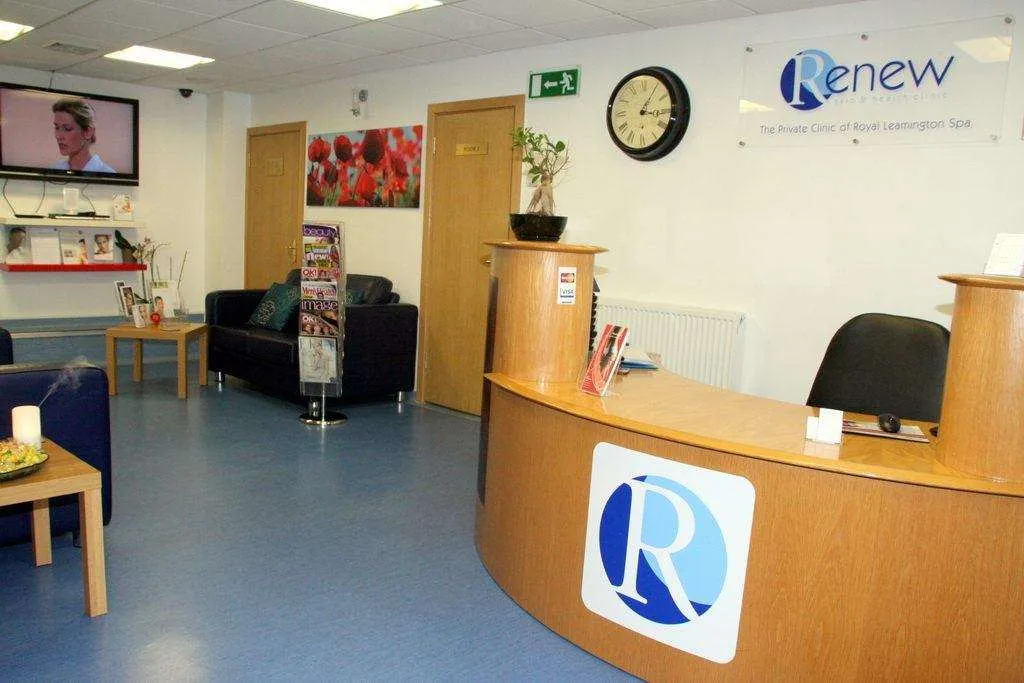
Patients searching for cutaneous horn removal or skin lesion removal in the Midlands regularly choose Renew Skin and Health Clinic in Leamington Spa. Our clinic is easily accessible from Coventry, Birmingham, Warwick, Rugby, Stratford upon Avon, and across Warwickshire.
Frequently Asked Questions
1. Do cutaneous horns need to be removed?
Removal is generally recommended, since the base underneath a cutaneous horn cannot be reliably assessed just by looking at it, and around 15 to 20% are associated with skin cancer. Removal with biopsy confirms exactly what it is.
2. What causes a cutaneous horn?
A cutaneous horn forms when an underlying skin lesion produces excess keratin at one point. Common underlying causes include viral warts, seborrhoeic keratosis, and squamous cell carcinoma in a proportion of cases.
3. Are cutaneous horns dangerous?
Most are not dangerous, since the base is usually benign. Around 15 to 20% are associated with squamous cell carcinoma or other skin cancers, which is why biopsy is a mandatory part of assessment rather than optional.
4. Is a biopsy always needed?
Yes. Visual inspection alone cannot reliably determine whether a cutaneous horn’s base is benign or malignant, so biopsy with histopathological analysis is a mandatory part of treatment, priced at £200.
5. How much does cutaneous horn removal cost?
The biopsy costs £200, and surgical removal generally costs between £1,000 and £1,250, depending on the size and complexity of the lesion. 0% finance is available.
6. Is the consultation free?
Yes, your consultation with Dr Jha is free on weekdays. Weekend and bank holiday consultations are also available with Dr Jha, at £75.
7. Who performs the removal procedure?
Removal is performed by an experienced plastic surgeon, based on availability, following your free consultation with Dr Jha.
8. What happens if the biopsy finds something concerning?
If the biopsy identifies a premalignant or malignant lesion, you will be referred back to your GP for further management, which may include wider excision, topical therapies, or referral for specialist oncology care.
9. How long does it take to get biopsy results?
Laboratory analysis results are typically available within one to two weeks, and Dr Jha or your surgeon will discuss these with you and confirm whether any further treatment is needed.
10. How do I book a cutaneous horn assessment near Leamington Spa?
Call 01926 422 454 during weekdays, 10am to 6pm, excluding bank holidays, to arrange your no obligation consultation. Weekend appointments are also available. We welcome patients from Leamington Spa, Coventry, Birmingham, Warwick, Rugby, and across United Kingdom.